Introduction
Why I’m building CapabiliSense comes down to a simple frustration: too many smart people, good strategies, and expensive projects still fail because nobody can truly see what’s going on. CapabiliSense is being built as a calm, clear layer on top of messy reality, where capabilities, decisions, and risks become visible and actionable instead of buried in slides and politics. When teams can finally see how their organization really works, they stop guessing and start moving with intent. This article explores the deeper reasons behind CapabiliSense, what it is, and how it aims to change the way people and organizations grow.
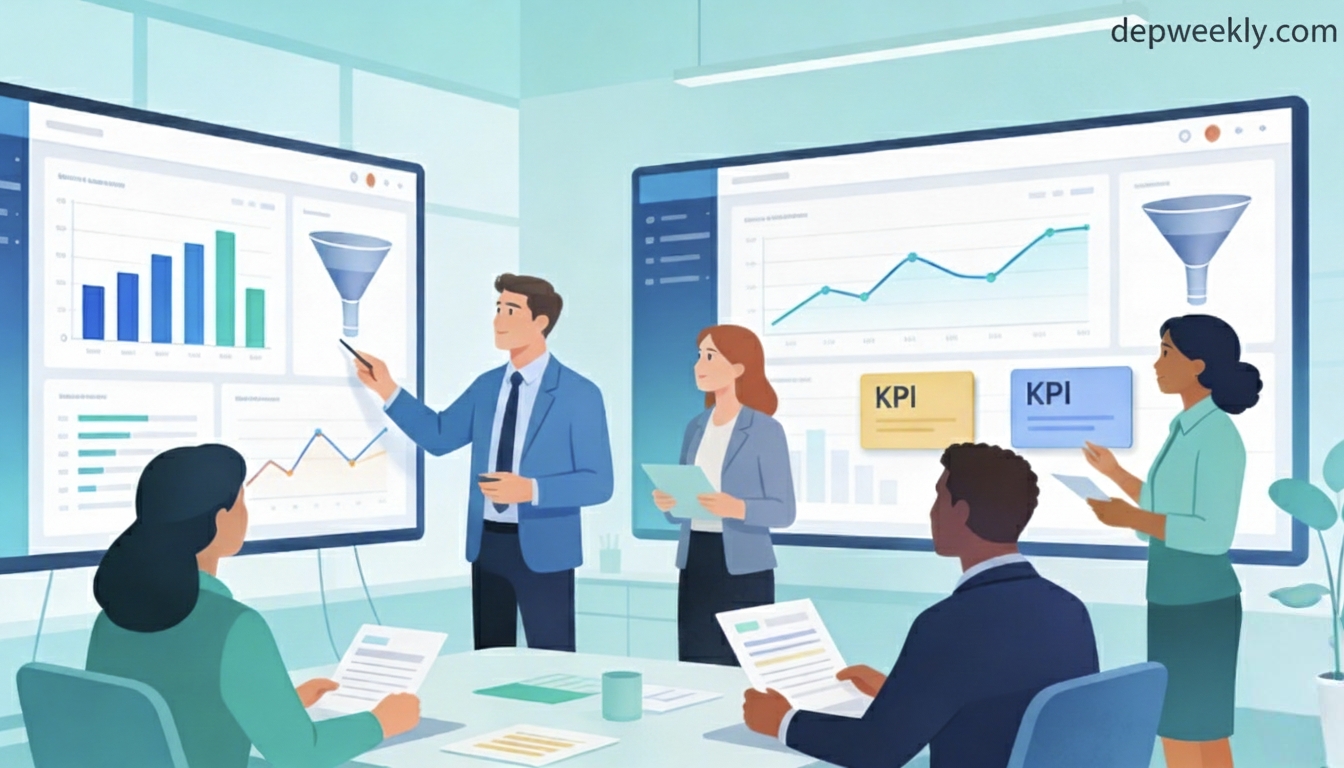
CapabiliSense sits at the intersection of technology, human behavior, and strategy execution. It’s not just another dashboard or framework; it’s an engine designed to read the signals hidden in documents, plans, and reports, then translate them into a living map of capability. Whether you’re a consultant, a leader, or a builder, the goal is the same: help you understand where you stand, what’s blocking you, and what to do next, without noise or confusion.
What CapabiliSense Is (And Isn’t)
CapabiliSense is a framework-agnostic AI engine that ingests strategy documents, architectures, and project reports, then turns them into a traceable model of how an organization actually operates. It doesn’t force a new methodology; instead, it respects whatever frameworks are already in use and connects them into one coherent view. At its core, it’s about sensing capabilities: where they’re strong, where they’re fragile, and where they’re missing entirely.
Will You Check This Article: هنتاوي com: Your Complete Arabic Guide to the Platform and Its Many Meanings
Unlike many tools that focus on single slices of work—like project tracking, financials, or task management—CapabiliSense tries to answer a different question: “Why is this system behaving the way it is?” That means surfacing root causes, not just symptoms, and showing how small tactical issues often point to deeper structural gaps in capability. It’s not meant to replace experts; it’s meant to give them a clearer, data-backed starting point.
CapabiliSense at a glance
| Aspect | What CapabiliSense Does |
|---|---|
| Core idea | Builds a traceable map of real capabilities from existing documents and data. |
| Primary users | Consultants, transformation leaders, complex project teams, and senior decision makers. |
| Main outcomes | Exposes root causes, aligns stakeholders, and de-risks major initiatives. |
| Methodology stance | Framework-agnostic; works alongside existing methods and tools. |
| Style of insight | Evidence-based, contextual, and focused on capability gaps and strengths. |
This vision for CapabiliSense is driven by a belief that people don’t need more reports; they need clarity that respects complexity without drowning them in it.
The Pain That Sparked CapabiliSense
The motivation for building CapabiliSense is rooted in years of watching transformations struggle not because people didn’t care, but because nobody had a shared, credible picture of reality. In many organizations, each department has its own truth, its own metrics, and its own language. Meetings become battles of narratives rather than honest conversations about what’s really happening.
CapabiliSense is being built to address three recurring pains:
- Hidden root causes
Teams often treat symptoms—missed deadlines, rising costs, persistent rework—without understanding the structural capability gaps behind them. CapabiliSense’s root cause engine is designed to trace these visible issues back to the deeper patterns that keep creating them. - Document overload without insight
Organizations produce endless documents: strategies, roadmaps, RFPs, architectures, risk logs. Yet people still answer basic questions from memory or politics. CapabiliSense reads these artifacts at scale to build a single, consistent view, so nothing important is lost in the noise. - Consensus built on opinion, not evidence
A lot of time is wasted debating “whose view is right.” CapabiliSense introduces a consensus engine that builds a unified picture from conflicting documents and perspectives. That doesn’t remove disagreement, but it anchors the conversation in shared evidence.
Why I’m building CapabiliSense is directly linked to these pains: it’s a response to the feeling of watching good initiatives fail for reasons that could have been seen and fixed earlier.
How CapabiliSense Actually Works
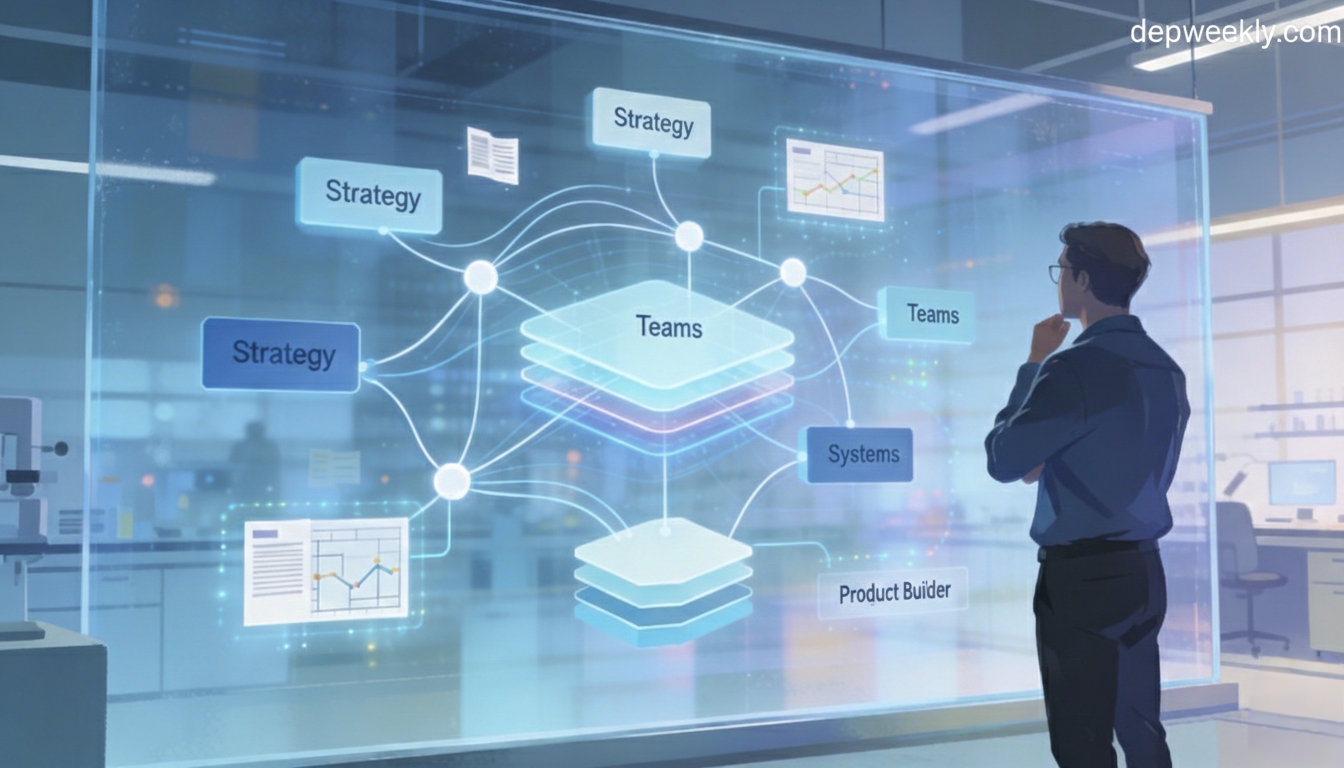
CapabiliSense works as an AI engine that connects strategy and execution. It takes in strategy PDFs, project reports, and technical architectures, then constructs a traceable map of capabilities, dependencies, risks, and assumptions. This map can be explored from different angles: by initiative, by capability, by team, or by outcome.
Under the hood, the platform uses several key components:
- Root Cause Engine
This component uses a transformation operating model (TxOS) to identify systemic problems behind local issues. It helps teams elevate tactical friction—like recurring incidents or delays—into strategic gaps that leadership can understand and act on. - Consensus Engine
This engine reconciles conflicting documents and perspectives into a unified view. Instead of “my slide versus your slide,” CapabiliSense builds a single narrative from all available evidence, reducing political debates and stalled decisions. - Traceability Layer
Every insight in CapabiliSense can be traced back to its source documents. This matters because it lets people trust the output, challenge it where needed, and refine their input over time.
The result is a living capability map that updates as new documents appear, making it easier to understand how each decision affects the broader system.
Why I’m Building CapabiliSense for Consultants
Consulting teams sit in a uniquely challenging position: they’re expected to quickly understand a client’s reality, recommend a path forward, and then prove impact under pressure. Why I’m building CapabiliSense is deeply connected to this context, because consultants are often caught between limited time, imperfect information, and high expectations.
With CapabiliSense, consultants can do several things differently:
- Turn client data into a competitive advantage
Instead of manually reviewing hundreds of documents, teams can use CapabiliSense to automatically ingest and organize the client’s reality, creating a structured view in days instead of weeks. This makes room for more thoughtful analysis and better conversations. - Protect teams with objective proof
When recommendations are challenged, consultants can point to the chain of evidence behind each insight rather than relying purely on persuasion. This reduces blame on individuals and shifts attention to the underlying system behavior. - Secure follow-on engagements through clarity
By highlighting capabilities that still need work, CapabiliSense helps frame follow-on engagements as natural next steps, grounded in evidence and shared understanding.
In this sense, CapabiliSense is not just a product; it’s a way to raise the quality and integrity of client work.
Why I’m Building CapabiliSense for Organizations
Organizations face their own version of the capability problem. They’re surrounded by initiatives, technologies, and change programs, yet they often lack a clear answer to “What can we actually do well today, and what’s holding us back?” Why I’m building CapabiliSense is tied to giving leaders a way to answer that question without relying on guesswork or hero stories.
CapabiliSense helps organizations:
- Turn ambiguity into an advantage
Many leaders operate in ambiguous environments where signals are noisy and incomplete. CapabiliSense doesn’t try to eliminate ambiguity; it structures it. By mapping capabilities and gaps, it allows leaders to act with more confidence in uncertain conditions. - De-risk critical projects and transformations
Large initiatives can fail for subtle reasons: misaligned expectations, missing handoffs, weak capabilities in critical areas. CapabiliSense highlights these risks early by connecting tactical issues to strategic capability gaps. - Align diverse stakeholders around one reality
When finance, technology, operations, and product teams see the same capability map, discussions become more constructive. People can disagree on priorities, but they share a baseline understanding of the system they’re working in.
Ultimately, the goal is to help organizations move from reactive problem-solving to proactive capability building.
CapabiliSense Across Industries
While CapabiliSense emerged from the world of complex transformations, its principles apply across many types of organizations. Why I’m building CapabiliSense isn’t limited to a single niche; it’s meant to support any environment where capabilities, decisions, and complexity intersect.
For example:
- Technology and cloud transformation
Teams can trace how architectural decisions, skills, and operating models influence outcomes. CapabiliSense helps surface which capabilities are truly ready for cloud-scale work and where gaps could slow adoption. - Data-rich organizations
Platforms similar in spirit use real-time and predictive analytics to turn scattered data into actionable insight. CapabiliSense complements this by focusing on the capability layer: how those insights translate into what the organization can actually execute. - Public sector and regulated environments
Government and regulated organizations face heavy documentation and strict compliance. CapabiliSense helps them map capabilities and obligations without losing traceability. That makes it easier to plan change while respecting rules and constraints.
Across these contexts, the common thread is the need for a trustworthy, explainable view of capability.
Why I’m Building CapabiliSense as an “Intellectual Ecosystem”
CapabiliSense is envisioned not just as a tool, but as an ecosystem where ideas about capability, transformation, and growth can evolve over time. Why I’m building CapabiliSense is closely connected to a desire to create a place where complex topics feel approachable, and where practitioners can share lessons and refine their thinking together.
On related channels such as CapabiliSense Medium, the aim is to blend research, case stories, and clear explanations into a body of work that makes capability more understandable and usable. Each article, framework, and story feeds into a larger narrative: that capability can be understood, measured, and improved without losing the human side.
This ecosystem approach supports:
- Shared language
When people talk about capability using a shared vocabulary, collaboration becomes easier. - Continuous learning
Insights from real projects feed back into the way CapabiliSense models capability, making the engine smarter and more grounded. - Community contribution
Contributors can bring new perspectives, edge cases, and disciplines into the conversation, expanding what capability intelligence can mean in practice.
In this way, CapabiliSense becomes more than a static product; it becomes a living environment for capability thinking.
The Vision Behind Why I’m Building CapabiliSense
The deeper reason why I’m building CapabiliSense is to close the gap between plans and reality. Many strategies look perfect on paper but fall apart when they meet the real capabilities, constraints, and habits of an organization. CapabiliSense exists to make that gap visible, navigable, and ultimately smaller.
People also like this: DGH A: A Complete, Human‑Friendly Guide to Meaning and Uses
The long-term vision includes:
- A world where major transformations don’t routinely fail for preventable reasons.
- Teams that feel protected by evidence rather than exposed by uncertainty.
- Leaders who can act decisively because they understand capability, not just aspiration.
Why I’m building CapabiliSense, then, is about giving people a clearer way to turn ambition into reality—without pretending complexity doesn’t exist.
Vision versus current practice
| Today’s Typical Reality | What CapabiliSense Aims to Enable |
|---|---|
| Fragmented views of projects and capabilities across tools and slides. | A unified, traceable map of capabilities and gaps drawn from existing artifacts. |
| Decisions made through politics, intuition, or partial data. | Decisions supported by a shared, evidence-based view of reality. |
| Repeated failures blamed on people rather than systems. | Systemic root causes identified and addressed early. |
| High effort spent on reporting instead of insight. | Automated synthesis that frees time for thinking and collaboration. |
This contrast captures the core motivation behind CapabiliSense: moving from storytelling about reality to grounded understanding of it.
Conclusion
Why I’m building CapabiliSense is rooted in a desire to give people and organizations a clearer way to see themselves. In a world full of documents, dashboards, and competing narratives, CapabiliSense focuses on one thing: understanding capability as it really is, not as people wish it to be. By mapping capabilities, exposing root causes, and creating a shared, evidence-backed view of reality, it helps teams turn ambiguity into an advantage instead of a threat.
The importance of this work lies in its impact on everyday decisions: which projects to fund, where to invest in skills, how to navigate risk, and when to change course. When capability becomes visible, leaders can act with more confidence, consultants can deliver deeper value, and teams can stop fighting over stories and start working from shared truth. The most practical takeaway is simple: before chasing the next big initiative, make sure you can see your current capabilities clearly—and that’s exactly the problem CapabiliSense is being built to solve.
Frequently Asked Questions (FAQs)
1. What is CapabiliSense in simple terms?
CapabiliSense is an AI-driven engine that reads strategy documents, project reports, and architectures to build a traceable map of how an organization actually works. It helps people see capabilities, gaps, and risks in one coherent view.
2. Who is CapabiliSense designed for?
CapabiliSense is built primarily for consultants, transformation leaders, and complex project teams who need an honest, evidence-based view of organizational capability. It also supports senior decision makers who want to de-risk major initiatives.
3. Why is CapabiliSense framework-agnostic?
CapabiliSense is framework-agnostic because most organizations already use multiple methods and tools. Instead of forcing a new approach, it connects existing frameworks into a unified capability view.
4. How does CapabiliSense help reduce project failures?
CapabiliSense links visible issues—like delays or rework—to deeper capability gaps using a root cause engine. By revealing systemic problems early, it gives teams a chance to address them before they derail major initiatives.
5. Why focus on “capability” instead of just performance metrics?
Performance metrics show results, but they don’t explain why those results keep repeating. CapabiliSense focuses on capability because it reveals the underlying structures, skills, and patterns that create performance over time. That makes improvement more sustainable and less reactive.
You May Also Read: Depweekly