Entertainment
Vipbox Live Sports: What You Need To Know Before You Click


Introduction
Vipbox has become a familiar name for fans searching online for free live sports streams, promising everything from football and basketball to UFC and tennis without monthly fees. At first glance, it looks like a dream solution: countless matches, multiple links, and instant access from almost any device. However, behind that convenience sit uncomfortable questions about safety, legality, and what really happens when you press play on a Vipbox stream.
This guide explores what Vipbox actually is, how it operates, which risks users often underestimate, and what more reliable alternatives exist if you want to watch sports without worrying about malware or potential legal trouble. By the end, you’ll be able to decide whether Vipbox is worth the trade‑offs and how to build a safer, more sustainable way to follow your favorite teams and events.
What Is Vipbox?
Vipbox is an unofficial sports streaming website that aggregates links to live broadcasts of sporting events around the world, typically without asking viewers for a subscription fee. It positions itself as a hub where fans can quickly find streams for football, basketball, baseball, tennis, motorsports, and many other competitions in real time.
Will You Check This Article: Businessnewstips: Smart Ways To Stay Ahead Of The Curve
Unlike licensed broadcasters, Vipbox usually doesn’t own distribution rights and instead points users to streams hosted elsewhere, often through embedded players and external links. This structure helps the site update streams quickly but also makes the experience inconsistent, since each link can come from a different source with its own video quality, ads, and reliability
Basic Vipbox overview table
| Aspect | Details |
|---|---|
| Type | Unofficial sports streaming link aggregator |
| Main content | Live sports events across multiple leagues and sports |
| Cost | Free to access, but heavily supported by advertisements |
| Legality | Typically operates without broadcasting rights, often in a legal gray or illegal area |
| Safety profile | High risk of pop‑ups, malicious ads, tracking, and potential malware |
How Vipbox Works For Viewers
When someone visits Vipbox, they’re usually greeted by a grid or list of live and upcoming games arranged by sport or competition. The visitor selects a match, chooses one of several listed links, and then watches via an embedded player or a redirected page that hosts the actual stream.
On the surface, this feels straightforward: no registration, quick loading, and the illusion that every major game is just a click away. Underneath, though, there is a complex patchwork of third‑party servers, ad networks, and tracking scripts that can vary widely in quality and intent.
In many cases, users report that they must close multiple pop‑ups, overlays, or fake “Play” buttons before the video finally appears. Some of these elements are harmless, but others are specifically designed to install unwanted browser extensions or redirect to sketchy sites.
Why Vipbox Became Popular
Vipbox gained traction because it solves a very real frustration: legal sports subscriptions can be expensive, fragmented, and sometimes unavailable in certain countries. Fans who can’t access official broadcasts or don’t want to pay for multiple services see a free site with many global streams as an easy answer.
Another reason for Vipbox’s popularity is its breadth of coverage. Big events such as international football tournaments, NBA games, or Grand Slam tennis often appear alongside niche sports that traditional broadcasters don’t prioritize. In practice, this creates a feeling of limitless choice, especially when friends or online communities casually share Vipbox links before a big match.
However, the very features that make Vipbox appealing—free access, global reach, and lack of barriers—are deeply intertwined with the risks that most users only learn about after something goes wrong.
Legal Risks Of Using Vipbox
The biggest issue with Vipbox is that it generally streams or links to copyrighted sports broadcasts without having the proper licenses to show them. In many countries, viewing or accessing unauthorized streams can fall into a legal gray area at best and be clearly illegal at worst.
Reports and expert analyses indicate that users in countries such as the United States, United Kingdom, Canada, Australia, and India have faced actions like internet providers throttling or blocking Vipbox domains, warning letters, and in some cases financial penalties. One breakdown notes that fines related to unauthorized streaming or similar copyright violations can range from a few hundred to several thousand dollars, depending on local laws and enforcement.
Because Vipbox operates outside official licensing agreements, its domains also tend to move, get mirrored, or disappear, often forcing viewers to chase new URLs shared on forums or social media. This instability makes it harder to know who is really behind each site version and what data they are collecting while people watch.
Safety, Privacy, And Malware Concerns
Beyond legality, there are serious questions about whether Vipbox is safe for everyday use. Multiple independent reviews describe Vipbox as neither safe nor trustworthy, highlighting aggressive pop‑up ads, fake download buttons, and scripts that can engage in browser fingerprinting, credential stealing, or even crypto‑mining.
Some users have shared anecdotes of going to Vipbox for a single match and leaving with several unwanted browser extensions or toolbars installed without clear consent. Security write‑ups warn that these add‑ons and redirects may log keystrokes, capture login information, or silently run mining scripts that slow down your device while consuming extra electricity.
Even when no obvious malware is installed, Vipbox often relies on tracking techniques that profile your browser and device to sell data for advertising or other purposes. The constant barrage of pop‑ups also increases the chance of accidentally landing on phishing pages that imitate banking, social media, or email logins to harvest credentials.
User Experience: Quality Versus Frustration
From a viewing perspective, Vipbox can sometimes deliver a decent stream, but the experience is highly inconsistent. Users report that some links provide stable, high‑definition video with minimal lag, while others buffer endlessly, drop in quality, or go offline mid‑game.
Interruptions are common. A stream might work well for a few minutes, then suddenly switch to a new link with louder ads or force viewers to reload the page and repeat the pop‑up closing dance. During important moments, such as penalty shootouts or final innings, this instability can quickly become more frustrating than missing the game entirely.
Some versions of Vipbox include basic navigation features, like categorizing events by sport and showing multiple links per match, which gives fans backup options if one stream fails. However, because the site leans so heavily on intrusive advertising, each click can feel like a gamble between finding a working stream and triggering another barrage of unwanted windows.
Vipbox pros and cons
| Factor | Advantages | Disadvantages |
|---|---|---|
| Cost | Free access to many sports streams | Hidden cost in ads, data collection, and potential malware |
| Content | Wide range of sports and events | No guarantees; links may be broken or low quality |
| Legality | None; relies on unauthorized streams | Possible legal consequences depending on country |
| Safety | No registration for basic viewing | High risk from pop‑ups, tracking, and malicious scripts |
| Reliability | Multiple links per event | Streams often unstable, may stop mid‑game |
The Role Of Reddit And Online Communities
Discussions on community platforms frequently mention Vipbox when people ask where to watch live sports without paying. In many threads, long‑time users suggest Vipbox but immediately add caveats: use strong ad‑blocking, don’t install anything, and close every extra window that appears.
Some commenters describe Vipbox as “inconvenient but not likely to infect” when used carefully, which reflects a risky assumption that nothing bad will happen as long as you avoid obvious downloads. Others counter with examples of antivirus software silently blocking malicious scripts or warnings that only appeared later when a system scan flagged suspicious files.
These conversations reveal how normalized sites like Vipbox have become in fan culture, even as many users acknowledge that they occupy a legally and ethically questionable space. The casual sharing of links can make newcomers underestimate the seriousness of the underlying risks.
Safer Alternatives To Vipbox
For viewers who want a more dependable way to watch live sports, several legal streaming platforms and services offer broad coverage with far fewer security and legal concerns. While these options usually require a subscription, they compensate with licensed content, better video quality, and clear accountability if something goes wrong.
Popular paid services include options like Paramount+ with CBS Sports, which carries NFL, UEFA Champions League, and NCAA basketball, along with entertainment content. YouTube TV offers over 85 channels, including major sports networks such as ESPN and Fox Sports, plus cloud recording for replays. Region‑specific services and broadcaster apps—like FOX Sports GO or other network platforms—provide legal access to games within their territories, often with on‑demand replays.
There are also sites that organize free sports streams but aim for cleaner layouts and fewer aggressive ads than Vipbox, though many still operate in unofficial territory. Even when these alternatives look more polished, they typically face the same legal and safety questions if they lack proper broadcasting rights.
Practical Tips If You Still Consider Vipbox
Some users will still feel tempted to visit Vipbox when no legal option is available for a particular event. While there is no way to make an unsafe and potentially illegal site truly safe, there are harm‑reduction practices that can lower (but not eliminate) the risk
First, reputable security sources stress the value of strong, up‑to‑date antivirus software and a browser with robust tracking and pop‑up protection. Many people also choose to avoid logging into email, banking, or social media accounts from the same browser session used for sites like Vipbox, to prevent stolen cookies or credentials from being immediately useful.
Second, it’s crucial never to install browser extensions, codecs, or “video players” prompted by these pages, since they are a common vector for malware. Closing every unexpected tab, ignoring fake system warnings, and leaving the site if it behaves unusually are basic but important defensive steps.
Case Study: A Typical Vipbox Session
Imagine a viewer who wants to watch a European football match that isn’t broadcast in their region. They search for “Vipbox live stream” and click a link that looks legitimate. On the homepage, they see the match title and tap it, then land on a page filled with multiple “Play” and “Watch Now” buttons.
They click the first button, which opens a new tab with a loud, irrelevant video ad. They close it and try another button; this time, a prompt appears asking them to install a browser extension to “enable HD playback.” If they accept, the extension quietly gains permission to read and change data on all visited websites, capturing passwords and injecting its own ads later.
Even if they avoid installation, the repeated redirects and pop‑ups increase the chance of landing on a phishing site that mimics their email provider or a fake antivirus scan. By the time they finally reach a working stream, their device might already be running hidden scripts or cookies that continue tracking them long after the match ends.
Ethical And Long‑Term Considerations
Beyond personal risk, using platforms like Vipbox raises broader questions about how sports are funded and how leagues manage broadcasting rights. Official broadcasters often pay significant fees to show matches, which helps support teams, players, and production crews. When large numbers of viewers shift to unauthorized streams, it undermines these revenue models and can influence how much investment goes back into competitions.
Moreover, the ecosystem around unauthorized streaming tends to reward operators who prioritize ad revenue and data harvesting over user welfare. Each visit and each shared link helps keep that ecosystem healthy, indirectly fueling the very tactics—like malicious ads and deceptive redirects—that put viewers at risk.
People also like this: Oneframework.net: Powerful Platform for Modern Developers
For many fans, the decision ultimately comes down to balancing short‑term access against long‑term consequences for both their own security and the sports they love. Exploring regional passes, mobile‑only packages, or event‑based purchases with legal providers can sometimes offer a middle ground that’s more affordable yet still above board.
Conclusion
Vipbox may look like an easy gateway to free live sports, but the convenience hides substantial trade‑offs in legality, safety, and reliability. The platform typically operates without broadcasting rights, exposing viewers in many countries to potential legal consequences while also flooding them with pop‑ups, tracking scripts, and possible malware threats.
For anyone who values consistent quality, data privacy, and peace of mind, licensed streaming services or broadcaster apps provide a more stable and transparent way to watch games, even if they come with a subscription fee. When legal options are unavailable, the safest decision is often to skip a particular match rather than risk long‑term harm to your devices or personal information for a few hours of viewing.
In practice, the smartest approach is to treat Vipbox as a warning sign rather than a solution: its popularity highlights unmet demand for accessible sports coverage, but its methods show why cutting corners on legality and safety can cost far more than a subscription ever would. Choosing safer, authorized routes not only protects you but also supports the future of the sports and competitions you care about most.
Frequently Asked Questions (FAQs)
1. What is Vipbox?
Vipbox is an unofficial sports streaming website that aggregates links to live broadcasts of various sporting events worldwide, usually at no direct cost to viewers. It doesn’t typically own broadcasting rights and instead relies on third‑party sources for its streams.
2. Is Vipbox legal to use?
In many regions, Vipbox is considered illegal or at least operates in a legal gray area because it distributes or links to copyrighted content without authorization. Users in several countries have reported blocking by internet providers, warning notices, or the risk of financial penalties related to unauthorized streaming.
3. Is Vipbox safe?
Most independent reviews describe Vipbox as unsafe due to aggressive pop‑ups, malicious advertisements, and scripts that may track users or attempt to install unwanted software. These elements can lead to malware infections, credential theft, or invasive browser fingerprinting.
4. What are better alternatives to Vipbox?
Safer options include legal streaming platforms such as Paramount+ with CBS Sports, YouTube TV, and official network apps that carry licensed games in specific regions. These services usually require subscriptions but offer more reliable streams, better video quality, and clear consumer protections.
5. Why do people still use Vipbox?
People continue to use Vipbox because it appears to offer free access to a wide range of sports, including matches that might not be available through local broadcasters. However, that short‑term convenience often comes at the cost of legal risk, intrusive advertising, and potential damage to privacy and devices.
You May Also Read: Depweekly

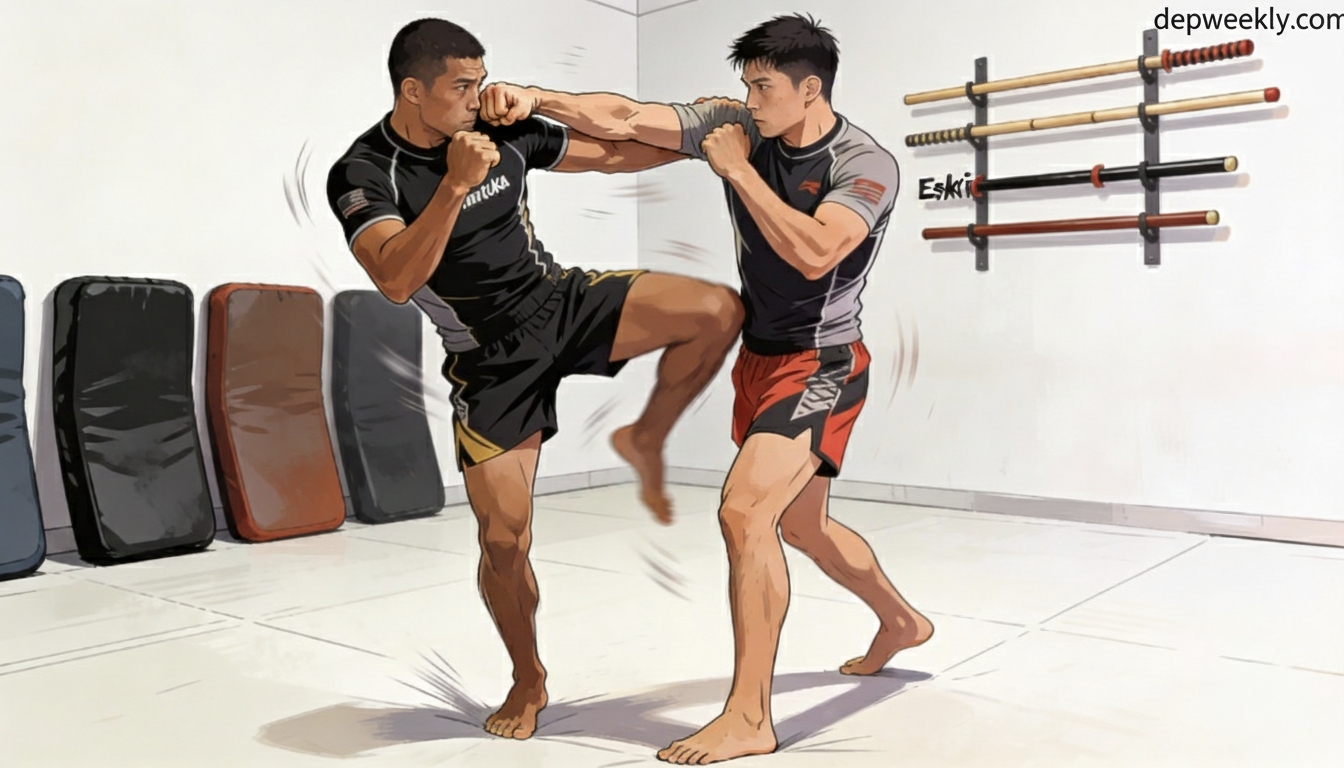
Panantukan DVDs give martial artists, self‑defense enthusiasts, and curious beginners a practical way to explore Filipino “dirty boxing” without needing to join a specialized school. They bundle lineage, technique, and training structure into a format that’s easy to pause, rewind, and revisit as skills grow.
Introduction: Why Panantukan DVDs Matter Today
Panantukan, often called Filipino boxing or dirty boxing, is the empty‑hand striking component of the broader Filipino martial arts family, drawing motion and mindset from weapons like knives and sticks. Instead of focusing on sport rules, it emphasizes survival, using punches, elbows, headbutts, limb destructions, and off‑balancing tactics to shut down an attacker quickly.
For many people, qualified instructors or dedicated Kali / Eskrima schools simply aren’t nearby, which is where panantukan dvds step in. They offer structured lessons from experienced teachers, bringing authentic technique, drills, and training plans into a living room, garage gym, or small home studio.
These DVDs aren’t just “fight clips.” They can form the backbone of a long‑term training path, supporting beginners learning the basics, hobbyists cross‑training from other arts, and even instructors who want to add Filipino dirty boxing concepts to their classes.
What Is Panantukan? The Essence Of Filipino Dirty Boxing
Panantukan is rooted in the empty‑hand striking methods linked to Filipino weapon arts such as Kali, Eskrima, and Arnis, where fists and forearms mimic the angles and timing of blades and sticks. Historically, these movements grew from tribal self‑defense and warfare methods, then blended with Western boxing and elements from arts like judo and jujutsu as these systems entered the Philippines.
Will You Check This Article: Paul Mauro Wife: Inside the Life of the Woman Behind the Former NYPD Inspector
Unlike ring boxing, panantukan uses a broad toolbox: hammer fists, open‑hand strikes, elbows, finger jabs, eye gouges, headbutts, groin slaps, and limb attacks that target muscles and joints to reduce an opponent’s ability to hit back. Many combinations blend strikes with grabs or off‑balancing motions, often using the same angles seen in stick or knife work to control, twist, and dump an opponent to the ground.
Over time, some lineages distinguished between a raw, combative form meant for real confrontations and a more sport‑like variant that appeared in the early 1900s, influenced heavily by Western boxing’s structure. Yet the heart of panantukan remains close‑range, clever, and opportunistic, using deception and angle changes to “defang the snake” by damaging the attacking limb and breaking the opponent’s balance and rhythm.
Quick Reference: Panantukan And Its Training Media
| Aspect | Key Details |
|---|---|
| Origin | Philippines; linked to Kali / Eskrima / Arnis empty‑hand methods |
| Common Nickname | Filipino boxing, dirty boxing, street boxing |
| Typical Targets | Head, body, biceps, triceps, eyes, groin, knees |
| Core Techniques | Punches, elbows, headbutts, limb destructions, off‑balancing |
| Popular Learning Media | In‑person classes, seminars, online courses, panantukan dvds |
How Panantukan DVDs Evolved And Why They’re Popular
As Filipino martial arts spread worldwide through influential teachers like Dan Inosanto and others, students outside major hubs needed ways to access the material consistently. Panantukan DVDs became a logical solution, capturing seminar‑style instruction and organized curricula so learners could follow along at their own pace.
These DVDs often distill decades of training, presenting key entries, combination flows, and drills that might otherwise be available only through private lessons or limited seminars. Some collections are part of broader certification programs where students watch the material, train, then submit video tests to earn rank recognition.
Accessibility is another major factor in their popularity. People with full‑time jobs, family responsibilities, or limited access to martial arts schools can still explore panantukan’s close‑range tactics and integrate them into existing striking or self‑defense training. For many, a panantukan DVD series is the first step toward understanding Filipino empty‑hand concepts before investing in live training.
Inside A Typical Panantukan DVD Curriculum
Panantukan DVDs usually follow a logical progression, moving from basic mechanics to more sophisticated applications, so even someone with a boxing or kickboxing background can absorb the differences. A single volume might focus on entries and hand destructions, while others dive into combinations, clinch tactics, or integrating kicks and takedowns.
Fundamental sections tend to cover stance alignment, guard positions adapted for street contexts, and the idea that striking lines follow the same angles used with weapons. Intermediate modules introduce drills that mix pad work and partner training to develop flow between punches, traps, and balance disruptions, often emphasizing how to move just off the line while countering.
Advanced material might weave in takedowns, limb manipulations, and clinch control, sometimes including locks, sweeps, or entries that transition into other arts such as Silat. These layers allow practitioners to revisit the same panantukan dvds over time, discovering new nuances as timing, sensitivity, and awareness improve.
Notable Panantukan DVD Series And What They Offer
Different instructors emphasize different aspects of the art, so DVD sets vary in flavor and focus while still sharing common roots. Some series come from lineages with a strong Jeet Kune Do or Inosanto‑style background, while others lean more toward Silat‑influenced combatives or structured certification programs.
One example is a well‑known series from Dan Inosanto that includes a volume specifically on panantukan, covering history, lineage, and entries that link empty‑hand work to weapons training. Another is the Panantukan Silat Combatives program, which began as a multi‑level DVD series and now exists alongside an online ranking system where students can certify through video submissions.
There are also collections dedicated to “dirty fighting” techniques from Filipino boxing, focusing on finger jabs, eye attacks, groin slaps, and setups that lead into headbutts, sweeps, or strong finishing punches. For learners comparing options, the best choice often depends on whether the goal is structured rank progression, self‑defense, cross‑training for combat sports, or simply a deeper appreciation of Filipino martial culture.
Snapshot: Example Features Of Panantukan DVD Programs
| Program / Source | Key Features |
|---|---|
| Inosanto panantukan video volume youtube | History, lineage, entries, links to weapon movements, overview of art |
| Panantukan Silat Combatives DVDs | 10‑level curriculum, drills, certification, online access, rank testing |
| Dirty Fighting Techniques excerpt youtube | 10 panantukan techniques including eye‑gouges, groin slaps, sweeps |
| Filipino Boxing DVD collection | Multi‑volume set focusing on dirty boxing nuances and practical tactics |
Key Techniques And Training Concepts Often Taught On DVDs
Even though each instructor has a unique flavor, many panantukan dvds share core concepts that define the art. A central principle is limb destruction, where attacks target the punching arm or kicking leg, using knuckles, elbows, or forearms to strike biceps, triceps, or hands as they move. This reduces the opponent’s ability to attack, often setting up counterstrikes automatically.
Another theme is the combination of strikes with off‑balancing tactics. Instead of simply exchanging punches on a straight line, panantukan uses pulls, twists, and arm controls to disturb posture, often driving the opponent off their base at 45‑degree angles. DVDs frequently break these ideas down into step‑by‑step drills, mixing pad work with partner entries where students practice slipping, trapping, and countering in fluid sequences.
Close‑range work is also heavily emphasized, including techniques like headbutts, elbows, and short knees that fit naturally into clinch and trap ranges. Panantukan dvds often demonstrate how to bridge the gap from standard boxing range into this tight zone safely, using feints, hand traps, and angle changes learned from weapon systems.
Panantukan DVDs For Self‑Defense, Sport, And Cross‑Training
Because panantukan grew as a street‑oriented fighting method, many DVD sets frame their material in terms of real‑world self‑defense. They highlight tactics such as attacking vulnerable targets, striking while angling off, and using the environment or surprise to tilt the confrontation in the defender’s favor. Instructors often stress ethical use and caution, given the potentially damaging nature of eye attacks, groin strikes, and headbutts.
For combat‑sport practitioners, panantukan dvds can provide ideas that adapt into clinch fighting, infighting, and unorthodox combinations, even if certain targets are modified to stay within competition rules. Concepts like hand trapping, angle changes, and limb targeting can enrich boxing, kickboxing, or MMA arsenals when carefully integrated with existing training.
Cross‑training benefits extend further for students of Kali or Escrima who want their empty‑hand work to mirror weapon patterns. Since many DVDs explicitly show how empty‑hand motions are derived from blade or stick movements, they help unify a practitioner’s overall game, making transitions between armed and unarmed scenarios more intuitive.
How To Choose The Right Panantukan DVDs For Your Goals
With several options available, choosing the best panantukan dvds depends on clear personal goals and an honest look at current experience. Beginners often benefit from structured, level‑based programs that start with stance, guard, and basic entries before introducing the more aggressive tactics associated with dirty boxing. Those already skilled in boxing or another striking art might prefer DVDs that focus on integrating limb destructions and traps into combinations they already know.
Lineage and instructor background also matter. Some series come from lineages that closely connect to the historical development of suntukan and its evolution alongside Western boxing in the Philippines. Others emphasize modern combatives applications or blend influence from Silat and other Southeast Asian arts to create a hybrid curriculum. Reading program descriptions and, when possible, watching brief previews can reveal the emphasis on history, drilling, or advanced applications.
Practical considerations shouldn’t be ignore either. Factors like video clarity, language accessibility, availability of companion written material, and whether the program offers online streaming or certification can strongly affect day‑to‑day use. For many learners, a series that combines DVDs with online access and clear ranking benchmarks provides extra motivation to train consistently and track progress over time.
Results You Can Expect From Consistent Panantukan DVD Training
Used consistently, panantukan dvds can sharpen multiple aspects of a practitioner’s skill set, even if live partners are sometimes limited. First, students develop an understanding of angled footwork and off‑line movement, learning to move just outside an attack while countering instead of absorbing strikes head‑on. Over time, this translates into more confident positioning in close‑range exchanges.
Second, training enhances sensitivity to openings at unconventional targets such as arms, shoulders, and joints, not just the head and body. Practitioners become accustomed to attacking limbs and using those strikes to set up follow‑ups, which can be a major mindset shift for those raised solely on ring‑sport striking. Third, the mental link between weapons and empty hands creates a more integrated understanding of Filipino martial arts, especially when a DVD demonstrates the same principle with a stick, a knife, and bare fists.
People also like this: Benny Blanco Ethnicity: Inside His Jewish-American Roots
Of course, the best results come when DVD‑based training is combined with partner practice, pad work, and, when possible, guidance from a qualified instructor who can correct mechanics and ensure safety. Still, for many enthusiasts, panantukan dvds represent a realistic and flexible pathway into a complex, culturally rich fighting system that might otherwise remain out of reach.
Conclusion
Panantukan, the Filipino art of dirty boxing, blends the angles and mindset of bladed and stick combat with adaptable empty‑hand striking designed for real confrontation. As this art has spread around the world, panantukan dvds have become an essential bridge, bringing structured instruction, historical context, and practical drills to students who may never step into a traditional Kali or Eskrima school.
By carefully choosing series that match goals—whether self‑defense, cross‑training, or a full curriculum—practitioners can build skills progressively, revisiting the same lessons as understanding deepens. When combined with thoughtful practice, partner work, and a respect for the art’s potentially damaging techniques, these DVDs become more than just video lessons; they turn into long‑term training companions and gateways into Filipino martial culture.
Anyone drawn to close‑range striking, creative angles, and practical tactics can benefit from exploring panantukan dvds, using them as a foundation to grow, refine, and eventually test those skills in live training environments.
Frequently Asked Questions (FAQs)
1. What is Panantukan in simple terms?
Panantukan is the empty‑hand, “dirty boxing” component of Filipino martial arts that mixes punches, elbows, headbutts, and limb destructions with off‑balancing tactics. It focuses on practical self‑defense rather than sport rules, emphasizing angles and damage to key targets.
2. Can beginners learn effectively from Panantukan DVDs?
Yes, many panantukan dvds are structured for beginners, starting with stance, basic punches, and simple entries before moving into more complex tactics. Progress is faster if learners also use pads, shadowboxing, and occasional partner drills to apply what they watch.
3. Are Panantukan DVDs only for self-defense?
No, while self‑defense is a major focus, panantukan concepts adapt well for cross‑training in boxing, kickboxing, and MMA by adding angles, traps, and limb attacks. Practitioners of Kali and Eskrima also use DVDs to connect their weapon skills to empty‑hand applications.
4. Do I need prior martial arts experience?
Prior experience helps but isn’t required, as many series explain fundamentals and show drills suitable for newcomers. However, having some background in basic striking or fitness can make techniques easier to understand and practice safely.
5. How do I pick the best Panantukan DVD set?
Start by clarifying whether you want a full curriculum, self‑defense focus, or supplemental material for an existing art, then read descriptions to match those goals. Looking for clear instruction, good video quality, and, if desired, options for online access or certification will narrow down the most suitable panantukan dvds for long‑term use.
You May Also Read: Depweekly

Introduction to Guia Silent Hill Geekzilla
Guia Silent Hill Geekzilla refers to a set of fan-made and editorial guides that explain, celebrate, and expand on the world of Konami’s iconic survival horror series Silent Hill. These guides combine classic walkthrough elements with deep dives into lore, symbolism, and psychological themes, making them popular among both new players and long-time fans.
Unlike a simple step‑by‑step strategy manual, the concept of Guia Silent Hill Geekzilla tends to emphasize narrative analysis, character motivations, and the emotional impact of exploring the cursed town. Many online publications now use this phrase to brand long, evergreen articles that help players navigate the games, understand the plot twists, and discover hidden endings.
Because Silent Hill games are famous for opaque storytelling and disturbing imagery, readers increasingly rely on these comprehensive guides to decode clues and avoid missing critical scenes. As a result, Guia Silent Hill Geekzilla has evolved into a recognizable label for “ultimate” Silent Hill explainers that promise both practical tips and a richer appreciation of the franchise’s artistry.
Will You Check This Article: QLCredit: Smart Digital Lending & Credit Health Guide
What Is Silent Hill?
Silent Hill is a survival horror video game series created by Konami, best known for its fog‑shrouded town, psychological storytelling, and oppressive atmosphere. Rather than focusing only on jump scares, the series explores trauma, guilt, and repressed memories, manifesting inner fears as monsters and nightmarish environments.
Each main installment typically follows a different protagonist drawn to the town for personal reasons, such as searching for a missing child or confronting a tragic past. The town itself often feels like a living entity that punishes or tests characters, which is why players appreciate guides that unpack symbolism and multiple possible endings.
Why the Geekzilla Style Guide Matters
The “Geekzilla” style of guide stands out because it blends hardcore fan enthusiasm with accessible explanations for casual readers. Articles using this label usually cover lore, gameplay strategies, references to horror cinema, and even recommendations for which game to start with in the series.
This approach helps people who might otherwise feel overwhelmed by Silent Hill’s nonlinear storytelling and obscure puzzles. It also appeals to content‑hungry veterans who want to revisit the games with fresh context, including connections between spin‑offs, movies, and newer titles like Silent Hill F.
Core Themes Explored in the Guides
Most Guia Silent Hill Geekzilla articles highlight recurring psychological and thematic pillars that define the franchise’s identity. Understanding these concepts turns each playthrough from a simple horror run into a deeper character study and narrative analysis.
- Psychological horror and guilt: Many monsters and locations reflect the protagonist’s shame, trauma, or moral failures rather than generic evil forces.
- Dual realities and shifting worlds: Players move between a “normal” foggy town and a blood‑soaked “Otherworld” that changes layouts, enemies, and puzzle logic.
- Religious cults and rituals: Several games involve occult groups in Silent Hill attempting to summon deities or manipulate reality through dark ceremonies.
- Ambiguous endings: Multiple endings, including joke outcomes, encourage replay value and debate about which conclusion reflects “canon.”
By dissecting these elements, a detailed guide helps readers understand why Silent Hill is often praised as literary horror in video game form.
Gameplay Tips Often Covered
Because many readers search Guia Silent Hill Geekzilla for practical help, these guides typically include survival and puzzle strategies alongside story breakdowns. The goal is to make progression smoother without spoiling every scare or emotional reveal.
Common gameplay advice includes:
- Conserving ammunition and using melee weapons when enemies can be avoided or stunned instead of killed.
- Exploring every corridor and side room to collect healing items, maps, and key objects before triggering major encounters.
- Adjusting brightness and sound carefully so environmental audio cues and visual clues stand out in the fog and darkness.
- Saving frequently at marked points, especially before boss fights or big story branches that affect the ending.
This type of concise guidance is valuable for modern players who are more used to hand‑holding, waypoint‑driven game design.
Lore, Secrets, and Hidden Details
Many Guia Silent Hill Geekzilla posts dedicate large sections to secrets that casual runs often miss. These can include alternate routes, optional items, and obscure triggers for special endings or extra scenes.
- Some endings require following very specific behaviors across the entire game, such as how often the player heals or how closely they protect another character.
- Other secrets involve environmental storytelling, like reading overlooked notes, examining background objects, or returning to earlier locations after story events.
- Guides also highlight Easter eggs that reference films, literature, or previous Silent Hill titles, deepening the franchise’s intertextual web.
By compiling these scattered details, a comprehensive guide transforms Silent Hill from a single playthrough experience into a long‑term obsession for dedicated fans.
Silent Hill’s Evolving Universe
Recent years have seen renewed interest in the franchise, with remakes, new projects, and spin‑offs reigniting discussion about its legacy. This resurgence makes long‑form guides even more relevant, as they help new generations understand how earlier games shaped modern horror design.
Content labeled Guia Silent Hill Geekzilla often includes contextual history explaining where each entry fits chronologically and thematically. These pieces may map relationships between characters across games or explore how each developer team interpreted the town’s metaphysics.
How These Guides Help Different Players
Because the Silent Hill audience is diverse, high‑quality guides usually segment advice for several types of players. This structure keeps long articles easy to navigate while still offering in‑depth analysis.
- Newcomers: Get spoiler‑light overviews, basic survival tips, and recommendations on which game to start with.
- Completionists: Find checklists of alternate endings, side quests, secret weapons, and hidden items to achieve 100 percent runs.
- Lore enthusiasts: Access breakdowns of cult history, timelines, fan theories, and interpretations of ambiguous scenes.
- Horror critics and writers: Discover thematic essays that compare Silent Hill to literature, cinema, and other psychological horror works.
This multi‑layered approach is a key reason the Geekzilla‑style label has become shorthand for “everything you need to know” resources.
Writing Style and SEO Potential
For bloggers and SEO‑focused writers, Guia Silent Hill Geekzilla is also a strong keyword cluster around which to build long‑form content. Many current articles targeting this term use clear headings, FAQ sections, and internal links to increase dwell time and search visibility.
People also like this: Nimedes: Mastering Balance, Innovation, and Adaptive Order
A user‑friendly layout often includes:
- Short, descriptive headings highlighting gameplay, lore, tips, and FAQs.
- Paragraphs tailored for readability, avoiding dense text blocks while maintaining depth.
- Natural inclusion of related phrases like “ultimate guide,” “survive Silent Hill,” and “hidden secrets” to capture long‑tail searches.
This structure makes such guides appealing both to human readers and search engines, helping them rank for a wide range of Silent Hill queries.
Conclusion
Guia Silent Hill Geekzilla has grown into a recognizable banner for extensive, fan‑driven explanations of one of gaming’s most disturbing and complex horror series. By mixing survival tips, lore analysis, puzzle help, and thematic commentary, these guides give newcomers confidence while offering veterans new ways to interpret Silent Hill’s fog‑drenched nightmares.
As fresh projects and remakes renew global interest in the franchise, comprehensive and user‑friendly guides will remain essential companions for anyone brave enough to step into the town’s shifting streets. Writers and SEO professionals who adopt this style can build highly engaging content that serves both horror fans and curious readers exploring Silent Hill for the first time.
FAQs
What does Guia Silent Hill Geekzilla mean?
The phrase generally refers to long, in‑depth guides or articles that cover Silent Hill gameplay, story, and secrets in one place, often branded in a fan‑friendly style. It is used by several blogs and magazines as a title pattern for “ultimate” Silent Hill explainers.
Is it only about one Silent Hill game?
No, many guides under this label discuss multiple games in the series, including the original titles, spin‑offs, and newer projects connected to the Silent Hill universe. Some focus on a single entry, but most provide at least some broader franchise context.
Do these guides contain spoilers?
Most of them include story details, puzzle solutions, and ending explanations, so they can be heavy on spoilers if read start to finish. However, many writers now use clear headings and warnings so readers can skip sections they do not want revealed.
Are the guides official?
They are typically fan‑written or produced by gaming and tech publications, not by Konami itself. This independence allows authors to include personal interpretations, fan theories, and critical commentary alongside straightforward walkthrough content.
Who should read a Guia Silent Hill Geekzilla article?
These guides are useful for new players stuck on puzzles, returning fans chasing secret endings, and horror enthusiasts interested in deeper analysis of Silent Hill’s symbolism and themes. They are also valuable reference material for bloggers, reviewers, and content creators covering the series in detail.
You May Also Read: Depweekly

Introduction
Reaperscans began as a fan-driven haven for readers who wanted fast, free access to manhwa, manga, manhua, and webtoons in English, and it quickly became a daily stop for millions of comic lovers worldwide. For many fans, the name reaperscans is tied to late‑night binge reading, discovering hidden gems, and following weekly chapters long before official releases reached their region. At the same time, the platform raised big questions about legality, creator rights, and how digital comics should be shared and monetized. This guide explores what Reaperscans was, why it mattered so much, why it eventually shut down, and how readers can now explore similar content safely and responsibly.
Quick Facts About Reaperscans
| Detail | Information |
|---|---|
| Type | Fan translation (scanlation) group and reading site for manhwa, webtoons, manga, and web novels |
| Content focus | Korean manhwa, webtoons, web novels, plus some Japanese manga and Chinese manhua |
| Notable titles | Return of the Mount Hua Sect, Solo Leveling, Nano Machine, Overgeared, and other trending series |
| Growth period | Rapid rise in popularity from around 2019 onward |
| User reach | Estimated millions of monthly visits and a large, active community across the main site and Discord |
| Shutdown | Took the site offline in May 2025 after a cease‑and‑desist from Kakao Entertainment |
| Legal status | Distributed unlicensed translations and was therefore regarded as an illegal piracy platform by rights holders |
What Is Reaperscans And How Did It Work?
Reaperscans started as a fan translation group that took raw chapters of manhwa, webtoons, and sometimes manga, translated them into English, cleaned the artwork, typeset the dialogue, and then released them online. Instead of selling volumes or charging subscriptions, the group hosted these chapters on a website where anyone could read for free, often supported by ads and community donations. Readers would visit the site, pick their favorite genre or title, and binge through chapters using a simple reader that let them scroll or click through pages easily. For many people, Reaperscans was their first gateway into Korean webtoons and web novels that weren’t yet available in their language or region.
Will You Check This Article: Rhonda Rookmaaker: The Quiet Strength Behind a Football Legend
Over time, Reaperscans became more than just a file dump and turned into a community. Chapters often included comment sections where fans discussed theories, favorite panels, and character arcs, and the group maintained a Discord server with tens of thousands of members. The platform also organized releases, set internal quality standards, and worked with different teams for translation, proofreading, cleaning, and typesetting to keep quality consistent. This mix of free access, strong organization, and an active community explains why the name reaperscans spread so quickly among manhwa and webtoon fans.
Key Features That Made Reaperscans Popular
One reason reaperscans became so widely known is that it solved multiple pain points for readers all at once. Instead of jumping between sites or waiting months for an official translation, a single platform gathered trending series, updated them quickly, and delivered them in reasonably polished English.
Vast Content Library And Fast Updates
Reaperscans built a huge library of manhwa, webtoons, and web novels covering genres like action, fantasy, romance, martial arts, regression stories, and slice of life. Many of the titles it carried were exactly those that were going viral in Korea or on other local platforms, so international readers could follow the hype in real time. Chapters were often uploaded very soon after the originals, which meant fans rarely had to wait long between updates, especially for big series. This speed sometimes matched or even outpaced official platforms, which is part of why the platform drew such intense traffic over the years.
User-Friendly Experience And Community Feel
Despite being an unofficial site, Reaperscans offered a fairly clean interface that made it easy to search titles, filter by genre, and continue reading from where a reader left off. Users could bookmark series, track updates, and comment under chapters, which helped create a sense of shared experience around every new release. Its Discord community added another layer of interaction by letting people talk directly with other fans and sometimes even members of the fan translation team. This combination of smooth reading, social features, and regular updates helped reaperscans stand out from smaller, less organized scanlation sites.
The Legal And Ethical Issues Around Reaperscans
Underneath its popularity, Reaperscans always operated in a gray area that rights holders considered outright illegal. Fan translators did not secure official licenses from publishers to distribute translated chapters, even though the platform sometimes presented itself as a polished and professional service. That meant that while readers enjoyed free content, creators and publishers did not receive the revenue or control that normally comes from official releases.
From an ethical perspective, reactions were mixed. Some fans argued that scanlation sites like Reaperscans increased global exposure for series that might never have left their home countries otherwise, indirectly boosting long‑term demand for official releases. Others, including many publishers, countered that once a series becomes popular, ongoing unlicensed distribution actively competes with official platforms and undermines their financial viability. As webtoons and web novels grew into major international businesses, the tolerance for large, ad‑supported scanlation hubs shrank dramatically, setting the stage for what happened next.
Why Reaperscans Was Shut Down
The turning point for Reaperscans came when Kakao Entertainment, one of the biggest players in the Korean webtoon and web novel industry, issued a cease‑and‑desist notice to the group. Kakao held rights to many of the works that Reaperscans was translating and distributing without permission, and its legal team moved to protect those properties more aggressively as official global platforms gained traction. In response, Reaperscans publicly announced that it would permanently close and stop all unauthorized distribution rather than risk a lawsuit.
Reports describe Reaperscans as one of the largest piracy sites focused on Korean webtoons and web novels, averaging around ten million user visits per month by some estimates. Its Discord channel alone reportedly had tens of thousands of subscribers, showing how significant its community footprint had become. When the platform shut down in May 2025, readers suddenly lost access to their usual reading hub and were forced either to seek alternatives or to move to official platforms. The closure also signaled a broader shift: major publishers were no longer willing to quietly tolerate large‑scale scanlation hubs operating in open view under names like reaperscans.
Impact On The Manhwa And Webtoon Community
Reaperscans left a deep imprint on how international readers discover and follow manhwa and webtoons. For years, it supplied fast, accessible translations that helped create global fandoms for series that might otherwise have remained local hits. Many readers credit their love of Korean comics to the free archives and curated recommendations they encountered on the platform.
At the same time, its shutdown highlighted how dependent fans had become on unofficial channels. When Reaperscans went offline, community discussions quickly shifted to where to read ongoing series, whether to wait for official releases, and how to support creators more directly. The event also encouraged more people to pay attention to licensing news, simulpub announcements, and new regional apps, changing the culture from purely “find it somewhere free” to a more nuanced conversation about access and fairness.
Official And Unofficial Alternatives To Reaperscans
Readers who once relied on Reaperscans now face a landscape of both official and unofficial alternatives, each with its own trade‑offs in terms of legality, cost, catalog size, and update speed. Understanding those differences helps fans make informed choices instead of just jumping to the next random mirror site that uses the reaperscans name or branding.
Official Platforms For Legal Reading
Several well‑established platforms now offer licensed manhwa, webtoons, and manga in multiple languages, often with simulpub schedules and mobile apps. Services like WEBTOON, Tapas, Lezhin, and Manga Plus provide official translations, structured release calendars, and cleaner reading experiences with vetted ads or subscription options. Some also allow readers to support creators directly through coins, unlocks, or premium chapters. While they may not carry every series that once appeared on Reaperscans, their catalogs continue to expand, and they avoid the legal and security risks of piracy sites.
Other Sites People Use And Their Drawbacks
A variety of third‑party aggregators and scanlation hubs still exist, including MangaDex and other sites that host user‑uploaded or fan‑translated content. Lists of “best Reaperscans alternatives” often mention names such as Flame Scan, MangatX, MangaToon, Crunchyroll Manga, and Manga Freak, each with different mixes of free and paid access, interface quality, and advertising intensity. However, many of these alternatives operate under similar legal uncertainties as Reaperscans once did, especially when they host unlicensed translations or rely heavily on intrusive ads. Readers who choose them need to be aware of both copyright concerns and potential security risks from aggressive advertising networks.
Comparison: Reaperscans And Common Alternatives
| Platform type | Example platforms | Legal status | Cost model | Key pros | Key cons |
|---|---|---|---|---|---|
| Fan scanlation hub (historical) | Reaperscans | Unlicensed; considered piracy by rights holders | Free, ad‑supported, sometimes donations | Fast updates, broad trending catalog, strong community | Legal risk, no support for creators, invasive ads and security concerns |
| Official webtoon/manga services | WEBTOON, Tapas, Lezhin, Manga Plus, Crunchyroll Manga | Licensed and legal | Free with limited access, in‑app purchases, or subscriptions | Supports creators, stable apps, safer browsing, curated catalogs | May lack some niche series; some content locked behind paywalls |
| Unofficial aggregators and mirrors | Flame Scan, MangatX, Manga Freak, various “reaperscans” clones | Often unlicensed, legal gray area | Usually free, heavy or mixed advertising | Large libraries, no upfront cost, easy to access via web | Same piracy issues, unstable uptime, variable quality, ad risks |
How To Read Safely After Reaperscans
When a platform as large as Reaperscans disappears, dozens of impostor or copycat sites usually appear using similar domain names to capture its traffic. Some of these clones have nothing to do with the original group and may host outdated chapters, broken links, or ad networks that serve malicious scripts. Paying attention to a few simple guidelines helps protect both the devices and the personal data of readers who are exploring new options.
First, avoid clicking on unfamiliar domains that simply swap letters or add extra characters to the reaperscans name, especially if they are filled with pop‑ups and forced redirects. Second, use reputable ad‑blocking and security tools when browsing unknown comic sites, since aggressive advertising is one of the most common sources of unwanted downloads or scam overlays. Finally, consider prioritizing official apps and sites for series that are available legally; many readers use unofficial sources only as a last resort when no licensed version exists in their region. This approach balances convenience with a growing desire in the community to respect the work of authors and artists.
Supporting Creators And The Future Beyond Reaperscans
The story of Reaperscans also mirrors a larger shift in how comics and web fiction circulate across the globe. As webtoons and web novels became mainstream, large companies invested heavily in new apps, translation pipelines, and marketing campaigns, and they began enforcing rights more strictly against big scanlation sites. Future fan translation groups are likely to focus on smaller projects, less visible distribution, or partnerships with rights holders rather than building highly public platforms that compete directly with official services.
People also like this: Peter Buchignani: Life, Career, and the Man Behind the Spotlight
For readers, this transition creates a chance to reshape habits. Choosing to follow a series on a licensed platform, buying digital volumes when possible, or even just spreading the word about official releases all contribute to the sustainability of the stories fans love. At the same time, many companies are experimenting with more generous free‑to‑read models and global simulpub schedules, gradually closing the gap that once made sites like reaperscans feel like the only realistic option. As access becomes wider and faster, the tension between fandom convenience and creator rights may slowly ease.
Conclusion
Reaperscans was a fan‑driven platform that offered fast, free access to a vast library of manhwa, webtoons, manga, and web novels, and for years it played a central role in introducing global audiences to Korean and other Asian comics. Its user‑friendly interface, active community, and quick chapter releases made it beloved, but its unlicensed distribution ultimately led to a decisive legal response from major publishers like Kakao Entertainment and a permanent shutdown in 2025. The rise and fall of reaperscans highlights both how powerful fan initiatives can be in spreading stories and how fragile they are when they operate outside legal frameworks.
For readers, the key takeaway is to stay informed, cautious, and intentional. Exploring official platforms where available, using safer reading tools, and supporting creators when possible can preserve the convenience fans value while helping the industry thrive. Even though Reaperscans itself is gone, the appetite for immersive comics and web fiction is stronger than ever, and readers now have more choices than at any point in the past. With thoughtful decisions, the community can enjoy that diversity while respecting the work and rights of the people who bring these stories to life.
Frequently Asked Questions (FAQs)
1. What was Reaperscans?
Reaperscans was a fan translation group and website that hosted English versions of manhwa, webtoons, manga, and web novels without official licenses. It became famous for its large library, quick updates, and active community of readers around the world.
2. Is Reaperscans still available?
No, the original Reaperscans platform shut down in May 2025 after receiving a cease‑and‑desist notice from Kakao Entertainment. Any current sites using similar names are copycats or unrelated domains and should be approached carefully.
3. Was Reaperscans legal to use?
Reaperscans distributed unlicensed translations of copyrighted works, so rights holders and legal experts considered it an illegal piracy site. While individual readers were rarely targeted, the platform itself faced serious legal pressure that led to its closure.
4. What are some alternatives to Reaperscans?
Readers now often turn to official services such as WEBTOON, Tapas, Lezhin, Manga Plus, and Crunchyroll Manga for licensed content. Some also use other unofficial aggregators, but those come with similar legal and security concerns as Reaperscans once did.
5. How can readers support creators after Reaperscans?
Supporting creators can mean reading series on official platforms, purchasing digital or print volumes, or using in‑app purchases to unlock chapters. Sharing and recommending legal releases also helps build demand, encouraging publishers to license more titles globally.
You May Also Read: Depweekly

Tree Care Practices for Habersham County, GA: Practical Tips for a Healthy Landscape

How to Find the Top-Rated Drug Lawyer in Delaware County, PA

What Makes the Best Tuition Centre in Woodleigh Mall a Smart Choice

Бишкоти ди Прато: The Crunchy Heart of Italian Biscotti

тщквыекщь: Meaning, Concept, Use, and Digital Relevance