Introduction to бишкоти ди прато
Бишкоти ди прато, known in Italian as Biscotti di Prato or cantuccini, are traditional almond biscuits that originated in the Tuscan city of Prato and became famous for their twice‑baked, crunchy texture. These long, oblong cookies are made from a simple dough of flour, sugar, eggs, and whole almonds, then baked in logs, sliced, and baked again until perfectly dry and crisp. Because бишкоти ди прато keep well for many days without losing their crunch, they became a favorite snack for travelers, families, and cafés that want an elegant, long‑lasting sweet to serve with coffee, tea, or dessert wine. Today, this classic Italian treat has moved far beyond Tuscany and is love worldwide as a symbol of simple, authentic craftsmanship in baking.
What exactly are бишкоти ди прато?
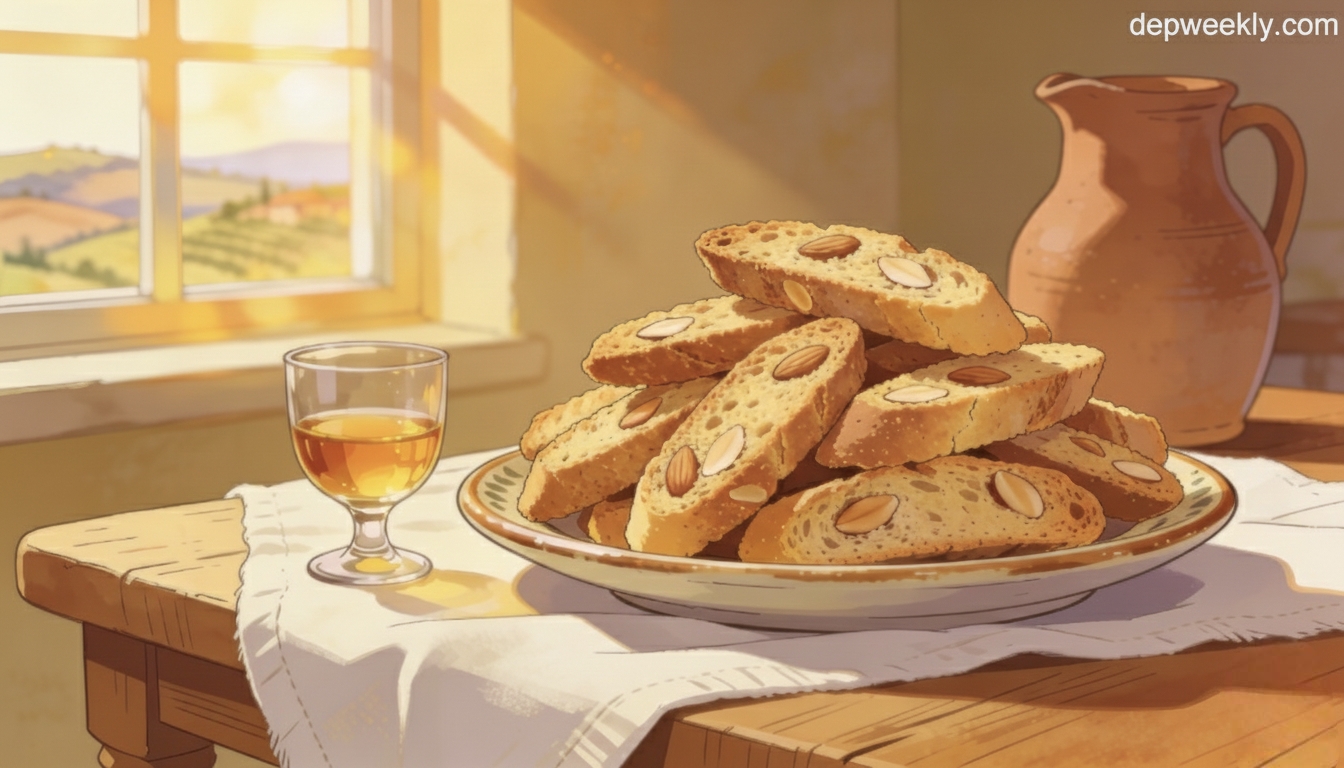
At the simplest level, бишкоти ди прато are twice‑baked Italian almond biscuits that are dry, firm, and designed to be dipped into a drink like Vin Santo, espresso, or cappuccino. The name “biscotti” comes from the Latin “biscoctus,” meaning “twice cooked,” which describes the method of baking the dough first as a loaf and then as individual slices until they become fully crisp. Traditional biscotti di Prato use a lean dough made only with flour, sugar, fresh eggs, whole unpeeled almonds, and sometimes pine nuts, without any butter, oil, milk, or yeast, which helps create the characteristic dry crunch and long shelf life. In many countries, all kinds of Italian-style cookies are calle “biscotti,” but in Tuscany, бишкоти ди прато refer specifically to this classic almond version from Prato that locals often enjoy after dinner.
Will You Check This Article: Adenoidid: Complete, Simple Guide to Swollen Adenoids
Origin and history of Biscotti di Prato
The roots of Biscotti di Prato go back to medieval and Renaissance Tuscany, where twice‑baked breads and biscuits were value because they stayed edible for a long time during journeys and wars. Documents preserved in the city of Prato show that local bakers were already known for almond cantucci in earlier centuries, and in the 19th century a pastry chef from Prato helped make the recipe famous by winning prizes and building a strong reputation for these biscuits. Over time, the city’s identity became closely tied to бишкоти ди прато, and historic bakeries such as Biscottificio Antonio Mattei still produce them using traditional methods and carefully guarded proportions of flour, sugar, eggs, and nuts. Today, visitors to Tuscany often bring packets of Biscotti di Prato home as edible souvenirs, and many food writers describe them as an iconic part of Tuscan culinary heritage alongside wines and olive oil.
Key ingredients and traditional recipe basics
Authentic бишкоти ди прато stand out because the recipe is intentionally simple, focusing on quality ingredients rather than rich fats or heavy flavorings. A classic dough usually combines soft wheat flour, white sugar, local eggs, whole almonds with their brown skins still on, and sometimes pine nuts from regions such as San Rossore, with no butter, oil, milk, or chemical leavening in the most traditional versions.
The dough is mixed until just combined, shaped into long, slightly flattened logs, and baked until set; then, while still warm, the logs are cut diagonally into slices and returned to the oven for a second baking that defines the firm, dry texture of бишкоти ди прато. Modern home bakers sometimes add vanilla, citrus zest, anise, or a touch of baking powder or butter to make the biscuits slightly softer, but Tuscan purists often prefer the lean, crisp original style that has been made in Prato for generations.
Texture, flavor, and how to enjoy them
The texture of бишкоти ди прато is intentionally hard and crunchy, which might surprise people who expect a soft cookie but makes perfect sense when paired with a drink. When dipped into Vin Santo, espresso, cappuccino, tea, or even hot chocolate, the dry biscuit softens just enough, and the roasted almond flavor becomes richer and more aromatic without the biscuit falling apart too quickly. The flavor is gently sweet rather than overly sugary, with natural notes of toasted almonds and eggy dough, so бишкоти ди прато work well both as a light dessert and as an afternoon snack with coffee. Many cafés and restaurants in Tuscany serve a small plate of these biscotti together with a glass of dessert wine after the main meal, turning a simple cookie into a traditional ritual that visitors remember.
Variations and modern twists on бишкоти ди прато
While the classic recipe focuses on almonds and a plain dough, modern bakers worldwide have created many variations inspired by Biscotti di Prato. Popular twists include adding pistachios, hazelnuts, dried cranberries, orange peel, lemon zest, chocolate chips, or spices such as anise and cinnamon, which slightly change the flavor while keeping the same twice‑baked method and crisp bite. In some Italian regions, similar cookies are calle cantucci or cantuccini, and although experts debate subtle differences, home cooks often treat them as close cousins of бишкоти ди прато and use the names interchangeably. For people who like a gentler crunch, some modern recipes incorporate a small amount of butter or baking powder to create a slightly softer interior, but the original Tuscan style remains the reference point for purists and traditional bakeries.
Are Biscotti di Prato good for you?
From a health perspective, бишкоти ди прато are still a sweet treat, but the ingredient list relatively simple compared with many modern cookies loaded with syrups and fats. Because the traditional recipe contains no butter or oil, the fat comes mainly from almonds and optional pine nuts, which provide natural unsaturated fats, some protein, fiber, and minerals, though the sugar content still means portions should be moderate. The biscuits are dry and light, so one or two pieces with coffee can satisfy a sweet craving without the feeling of a heavy dessert, especially if you choose smaller cantuccini‑style slices. People with nut allergies or gluten intolerance need to avoid standard бишкоти ди прато, but some modern artisan bakeries now experiment with gluten‑free flours or alternative nuts to reach a wider audience while keeping the twice‑baked concept.
Serving ideas for home, cafés, and gifting
Бишкоти ди прато are extremely versatile and can fit into many different serving situations, from a simple home snack to a refined café dessert. At home, they pair wonderfully with morning coffee, afternoon tea, or a late‑night glass of milk, and can also be crumbl over yogurt, gelato, or fruit salad to add crunch and almond flavor. In cafés and restaurants, a small plate of Biscotti di Prato served alongside espresso or Vin Santo quickly becomes a signature touch that feels premium but is easy to prepare and portion. Beautifully packed bags or tins of бишкоти ди прато also make excellent gifts, especially when combined with a bottle of dessert wine or specialty coffee, because their long shelf life allows them to travel well without losing quality.
People also like this: Escapamento RD: Complete Yamaha RD Exhaust Guide
Simple tips to bake бишкоти ди прато at home
Baking бишкоти ди прато at home is surprisingly accessible, even for beginner bakers, as long as a few simple rules are followe. First, choose good‑quality whole almonds and toast them lightly before mixing into the dough, since this boosts flavor and keeps the nuts firm during the two baking stages. Second, shape the dough into evenly sized logs so that they bake at the same speed, and allow a short cooling period before slicing diagonally, which helps maintain clean edges and the classic elongated shape. Finally, adjust the second baking time depending on how crunchy you want your бишкоти ди прато: a slightly shorter time keeps the center a bit softer, while a longer bake produces the traditional, very dry texture that stores best in airtight containers.
FAQs
1. What is the difference between бишкоти ди прато and other biscotti?
Бишкоти ди прато specifically refers to traditional almond biscotti from the city of Prato, made with a lean dough of flour, sugar, eggs, and almonds, and baked twice for a very dry, crunchy texture. In contrast, “biscotti” in general Italian usage can mean any type of cookie or biscuit, and many modern biscotti recipes include butter, oils, chocolate, dried fruits, or spices that move away from the classic Tuscan formula.
2. How should бишкоти ди прато be store and how long do they last?
Because they are twice bake and low in moisture, Biscotti di Prato keep well for weeks when stored in an airtight tin or jar at room temperature, away from direct sunlight and strong humidity. This long shelf life is one of the reasons бишкоти ди прато were historically popular among travelers and remain ideal for gifting or keeping on hand as a ready snack for guests.
3. Why are бишкоти ди прато traditionally serve with Vin Santo?
In Tuscany, it is traditional to serve Biscotti di Prato with a small glass of Vin Santo, a sweet dessert wine, because the dry biscuit softens slightly when dipped, releasing more almond aroma while still holding its shape. The contrast between the crunchy texture and the smooth, honeyed wine creates a simple but elegant dessert that many travelers now associate with Tuscan hospitality.
4. Can бишкоти ди прато be made without almonds or with other nuts?
Classic recipes insist on whole almonds with their skins, but modern versions sometimes replace or combine them with pistachios, hazelnuts, or other nuts to create new flavors and colors while keeping the same twice‑baked structure. If you remove nuts entirely, the result is still a twice‑baked biscuit, but it no longer follows the traditional definition of Biscotti di Prato that helped make the city of Prato famous.
5. Are бишкоти ди прато suitable for breakfast or only as dessert?
Although many restaurants serve Biscotti di Prato after dinner with wine, Italians also enjoy them at other times of day, especially with morning or afternoon coffee. Their light sweetness and firm crunch make бишкоти ди прато flexible enough for breakfast, a mid‑day break, or a small dessert, depending on how they are paired and how many pieces are eaten.
Conclusion: Why бишкоти ди прато remain timeless
Бишкоти ди прато have survived centuries of changing food fashions because they offer a rare combination of simplicity, durability, and refined flavor that suits both everyday life and special occasions. From their humble beginnings as practical travel biscuits in Tuscany to their modern role on café counters and dessert menus worldwide, these twice‑baked almond cookies continue to symbolize careful craftsmanship and the pleasure of slowing down with a small, satisfying treat. Whether enjoyed with Vin Santo after a meal, dipped into a morning espresso, or baked at home using a trusted recipe, бишкоти ди прато invite people everywhere to taste a crunchy piece of Italian culinary history in every bite.
You May Also Read: Depweekly