Tech
State Wide Area Network: A Practical Guide for Modern Governance
Introduction
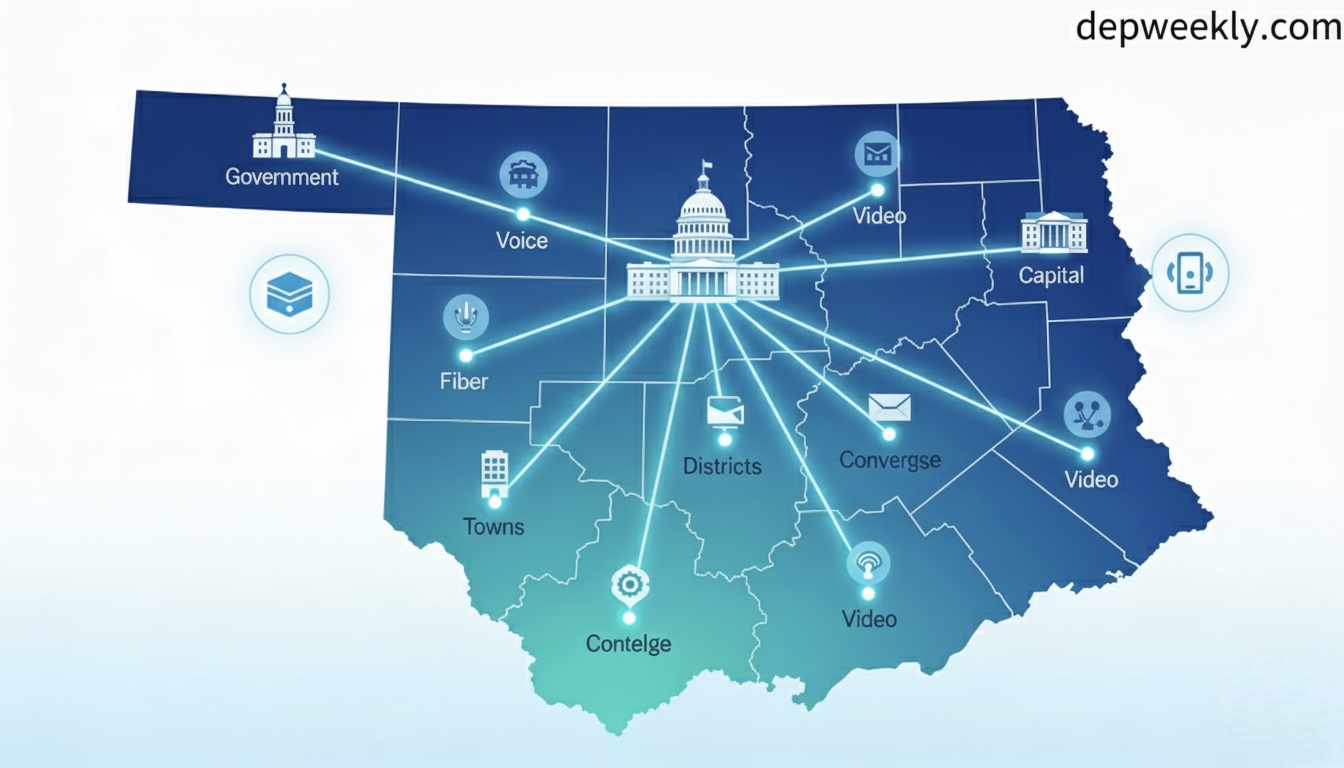
A state wide area network sounds technical, but at its core it’s about one simple idea: connecting every government office in a state so information, voice, and video can flow quickly, securely, and reliably. A state wide area network (often called SWAN) creates a dedicated communication backbone that links state headquarters to districts, and districts to blocks and local offices. It replaces scattered, ad‑hoc links with a unified structure that supports everything from online citizen services to real‑time coordination during emergencies. By the end of this guide, you’ll understand what a state wide area network is, how it works, why many governments invest heavily in it, and what it means for citizens, businesses, and public sector teams.
What Is a State Wide Area Network?
A state wide area network is a large, hierarchical communications network built to connect government offices and agencies across an entire state or similar administrative region. It is usually implemented as a closed user group, meaning only authorized government entities use it, which helps maintain confidentiality and integrity of sensitive data. In many countries, SWAN is treated as core digital infrastructure, sitting alongside data centers and service delivery platforms in e-governance programs. While it relies on familiar technologies like fiber optics, routers, and leased lines, its design decisions are driven by governance needs rather than purely commercial goals.
Will You Check This Article: Gamer Challenger: Mastering Games By Embracing Every Challenge
Most implementations follow a tiered structure with points of presence (PoPs) at different levels—typically the state capital, each district headquarters, and then sub‑district or block locations. Each PoP aggregates local traffic and forwards it up or down the hierarchy, allowing voice, video, and data to traverse the state efficiently. Because this backbone is centrally designed, performance and security are easier to standardize, and common services such as email, video conferencing, and shared applications can be offered uniformly.
Key Objectives and Benefits of SWAN
The primary objective of a state wide area network is to improve the way government offices communicate and collaborate. Instead of each department procuring its own connectivity, SWAN provides a common platform that all can share, which reduces fragmentation and duplication. This shared infrastructure supports faster file movement, coordinated decision‑making, and consistent access to applications across urban and rural offices. Over time, it can dramatically cut the delays historically associated with paper‑based processes and disconnected systems.
Another major goal is cost efficiency. When connectivity is procured and managed centrally, states can negotiate better long‑term contracts with service providers and simplify maintenance. Operating a single backbone is typically cheaper than maintaining dozens of small networks with different standards and vendors. Moreover, an integrated state wide area network provides a strong foundation for new digital initiatives—anything from telemedicine and distance learning to integrated financial management and digital land records—without redesigning connectivity each time.
Core Features of a State Wide Area Network
Most state wide area networks share a few technical and functional features, even if their exact topology or vendor mix differs. At the technical level, they usually support high‑speed links between major locations, often starting in the tens of megabits per second and scaling up to gigabit capacities as traffic grows. These links carry converged services, meaning the same connection supports voice calls, video conferencing, and data transfer. This convergence reduces hardware duplication and simplifies troubleshooting.
Security is another defining feature. Because government data often includes citizen records, financial transactions, and confidential communications, SWAN designs typically include firewalls, intrusion detection systems, and strict access policies at key PoPs. Logical separation—such as virtual private networks for specific departments—can be layered on top of the common backbone. The architecture is also built to be scalable, so new districts, blocks, or specialized agencies can be added with minimal disruption as administrative boundaries evolve or services expand.
Typical SWAN Architecture and Layers
Understanding state wide area network architecture is easier if you picture it in layers. At the top sits the state headquarters, which often hosts the central network operations center, core routers, and high‑bandwidth connections to national networks or the public internet where appropriate. This is the control and aggregation hub, where overall policies, monitoring, and traffic management are applied. Core equipment here is usually designed with high redundancy so that failure of a single device does not bring the network down.
Below this core layer is the distribution layer, usually at district headquarters. Each district PoP aggregates traffic from blocks and local offices within that district and provides local breakout when necessary—for example, to connect to local data centers or district‑level applications. Finally, the access layer serves block offices and, in some designs, individual offices and service centers. In remote regions, these access links may use a mix of technologies—fiber where available, radio or satellite when terrain or budgets constrain physical build‑out—yet all appear as part of the same logical state wide area network.
State Wide Area Network vs General WAN
At first glance, a state wide area network may look like any other wide area network, but there are important differences in purpose and governance. A general wide area network is simply a network connecting geographically dispersed locations; it might belong to a private company, a service provider, or an educational consortium. Its design is usually driven by business needs such as branch connectivity or access to cloud services, with flexibility to mix many types of traffic and clients. By contrast, SWAN is tightly focused on public sector administration and service delivery.
Another distinction lies in policy and control. SWAN usually operates under formal government schemes or programs, with clear service level targets, funding structures, and oversight mechanisms. Its performance and security are subject to public accountability because disruptions can affect critical services like health, policing, revenue collection, and welfare distribution. A typical corporate WAN might prioritize specific applications important to the business, while a state wide area network must balance the needs of many independent departments, each with its own legacy systems and priorities.
Comparison of SWAN and Typical WAN
| Aspect | State wide area network | General wide area network |
|---|---|---|
| Primary owner | Government entity | Enterprise or provider |
| Main purpose | Governance and services | Business or commercial |
| User group | Closed government users | Employees/customers |
| Accountability | Public and policy‑driven | Internal or contractual |
Governance, Policy, and Institutional Model
Because a state wide area network spans many departments and tiers of administration, strong governance and institutional arrangements are essential. Many states create dedicated agencies or special purpose vehicles to plan, procure, and operate SWAN. These entities clarify roles such as who pays for bandwidth, who owns equipment, and who responds to outages at various levels. Without such clarity, departments may under‑utilize the network or duplicate investments, undermining the original vision of a common backbone.
Policy decisions also shape how quickly SWAN yields benefits. For example, the choice between centralized versus departmental budgets for bandwidth can influence whether offices feel encouraged to consume more digital services. Clear rules for connecting new sites, approving applications, and sharing infrastructure with other public sector bodies—like schools or hospitals—help avoid bottlenecks. When these frameworks are set up well, the state wide area network becomes more than a technical project; it becomes a platform for sustained administrative reform.
Technologies Used in State Wide Area Networks
Though each implementation differs, several common technologies appear repeatedly in state wide area networks. At the physical layer, fiber optic cables often form the backbone between state and district headquarters due to their high capacity and reliability. In hilly or remote areas, microwave radio links or satellite connectivity can bridge gaps where fiber is impractical or too expensive. These transport choices are usually blended, with dynamic routing ensuring continuity when one link fails.
At higher layers, routers and switches implement protocols that manage how traffic is forwarded and prioritized. Quality of service is often configured to ensure time‑sensitive applications like voice or video conferencing receive appropriate bandwidth when links are congested. Virtual private network technologies may isolate departmental traffic, and centralized authentication systems can enforce user‑level access controls. Collectively, these technologies make the state wide area network behave as one cohesive system, even when it relies on multiple carriers or media types underneath.
Real‑World Use Cases and Citizen Impact
The value of a state wide area network becomes tangible when looking at real services citizens use every day. Consider digital land records: when all tehsil or block offices are connected through a common backbone, updates made in one office can be reflected across the state in near real time. Citizens can obtain accurate land extracts without waiting for physical files to move from one location to another. Similarly, when treasury offices and finance departments share a unified network, government payments and receipts can be processed more quickly and tracked more transparently.
Another powerful use case is real‑time coordination during disasters. A state wide area network allows the control room at the state headquarters to interact instantly with district collectors, local police, and relief teams through video conferences and shared dashboards. Because all these offices already sit on the same infrastructure, there’s no scramble to set up temporary links when a crisis hits. This improves situational awareness, speeds up decision‑making, and can ultimately save lives and property.
Designing a State Wide Area Network: Key Considerations
Designing a robust state wide area network requires balancing technical ideals with on‑the‑ground realities. One important consideration is coverage: how many locations will be connected at each tier, and what growth is expected over the next decade? Planners must account not only for current government offices but also for likely future expansions, reorganizations, and newly created agencies. This forward‑looking approach prevents the backbone from becoming obsolete or overloaded too quickly.
Another major factor is resilience. Critical links between the state headquarters and districts should have redundant paths so that fiber cuts or equipment failures don’t isolate entire regions. Power backup at PoPs, standby equipment, and clearly documented failover procedures all contribute to higher availability. Meanwhile, performance planning—estimating traffic for data‑intensive applications like video or large document uploads—ensures that bandwidth provisioning is adequate and upgrades can be scheduled before congestion becomes a serious problem.
Performance, Reliability, and Service Levels
Performance and reliability are not just technical parameters in a state wide area network; they directly influence public trust in digital government. When online services fail frequently due to connectivity issues, citizens and officials alike revert to manual processes, undercutting years of investment. To avoid this, states often define service level targets such as minimum uptime, maximum response time for troubleshooting, and escalation procedures for major incidents. These targets guide both internal network teams and external service providers.
Monitoring tools play a central role in maintaining these service levels. Centralized dashboards can show link utilization, error rates, and outage histories for each PoP, allowing operators to detect problems before users experience severe degradation. Automated alerts can trigger immediate responses when critical thresholds are crossed. Over time, analysis of this monitoring data helps fine‑tune capacity, identify chronically problematic routes, and support budget requests for necessary upgrades.
Security and Data Protection in SWAN
Security within a state wide area network is about more than protecting the network perimeter; it also involves safeguarding internal traffic and access. Because multiple departments share the same backbone, segmentation is crucial to prevent one compromised system from affecting others. Network segmentation can be achieved through virtual networks, dedicated subnets, and carefully configured access control lists that limit which systems can talk to each other. This layered approach reduces the blast radius of potential attacks.
In addition to segmentation, strong authentication and encryption practices are essential. Administrators often require multi‑factor authentication for remote access to core systems, and sensitive data flows can be encrypted using modern protocols. Logging and audit trails help track who accessed what, and when, which supports investigations and compliance obligations. Regular security assessments, vulnerability scans, and simulation exercises help keep defenses updated against evolving threats while preserving the usability that government staff need to do their jobs.
Implementation Models and Public–Private Partnerships
Many states choose to implement their state wide area network through some form of public–private partnership. In such models, a private service provider may be responsible for building and operating network links, while the state retains control over policy, applications, and data. This arrangement can accelerate deployment by leveraging the provider’s technical expertise and existing infrastructure. It can also spread capital costs over the life of a long‑term service contract rather than requiring a large upfront investment.
However, these partnerships require careful contracting. Service agreements must spell out performance metrics, penalties for non‑compliance, and clear exit or transition plans if the contract ends. Intellectual property rights for network designs, configurations, and management tools also need definition so that the state is not locked into a single vendor. When these aspects are thoughtfully addressed, public–private models can make the state wide area network more sustainable and responsive to technological change.
Measuring Success and Continuous Improvement
Once a state wide area network is in place, the work is far from over. Measuring success means looking beyond uptime statistics to consider business outcomes: Are file movement times significantly reduced? Are more services being offered online? Are citizens and businesses experiencing faster, more predictable interactions with government offices? These indicators reveal whether the network is actually supporting the intended transformation in governance.
Continuous improvement then builds on this feedback. If specific districts face chronic issues, targeted projects can strengthen their last‑mile connectivity or local support. Training programs for officials can emphasize best practices in using video conferencing, document management, and collaborative tools that rely on the network. Periodic technology refreshes—such as upgrading routers or increasing bandwidth on critical routes—ensure that the state wide area network remains capable of handling new applications as digital governance matures.
State Wide Area Network in the Cloud Era
As more applications move into centralized data centers and cloud environments, the role of the state wide area network is evolving. Instead of merely connecting offices to each other, SWAN is increasingly responsible for providing controlled, high‑quality access to shared platforms that host multiple departmental applications. This shift often increases traffic flowing toward central hubs or cloud gateways, making bandwidth and latency even more critical. Proper design can reduce bottlenecks and ensure that remote offices experience responsive applications.
Moreover, new network technologies can complement traditional architectures. For instance, policy‑driven routing and centralized management tools make it easier to enforce consistent security and performance rules across a large state. In the long term, the state wide area network becomes a key enabler of a hybrid digital environment, where some systems live in state data centers, some in cloud platforms, and all remain accessible to authorized users through a predictable, well‑managed backbone.
Example Applications Enabled by SWAN
A well‑designed state wide area network unlocks a wide range of digital services that cut across sectors. In health, it supports teleconsultations between district hospitals and remote health centers, allowing specialists to guide local teams without physically traveling. Digital imaging and electronic medical records can be shared securely over the same network, improving continuity of care. In education, SWAN can carry interactive lessons from a central studio to classrooms across the state, enabling teachers and students in remote schools to access expert instruction.
People also like this: Olympus Scanlation and the Passion Behind Fan-Translated Manga
In law and order, integrated communication between police stations, control rooms, and forensic labs can improve response times and coordination during incidents. Digital evidence, alerts, and dispatch instructions can flow more quickly and reliably when the entire chain sits on the same backbone. Similarly, in agriculture, advisory messages, real‑time market information, and weather updates can be delivered to local offices that then communicate with farmers through local channels, making the state wide area network an invisible but important part of rural outreach.
Sample SWAN Feature Overview Table
| Feature category | Typical state wide area network capability |
|---|---|
| Connectivity scope | State HQ to districts, blocks, and local offices |
| Service types | Data, voice, video on converged links |
| Security mechanisms | Segmentation, firewalls, controlled access |
| Management approach | Central monitoring with defined service levels |
Conclusion
A state wide area network is much more than a collection of circuits and routers; it is the digital backbone that lets a state function as a connected, responsive system. When designed well, it links distant offices into a single fabric, cutting delays, simplifying communication, and enabling new kinds of citizen‑facing services. It turns once‑isolated departments into collaborators, and it gives administrators real‑time visibility they could never have with paper‑based processes.
To get the most from a state wide area network, governments must treat it as strategic infrastructure, not just a technical project. That means clear governance, strong security, realistic funding, and continuous performance tuning. For citizens and businesses, the payoff shows up in shorter queues, faster approvals, and more reliable services. For public officials, it offers better tools, clearer information, and a modern working environment. Together, these benefits make investing in a robust state wide area network one of the most impactful steps a state can take on its digital journey.
Frequently Asked Questions (FAQs)
1. What is a state wide area network in simple terms?
A state wide area network is a large communication system that connects government offices across an entire state. It lets them share voice, video, and data quickly and securely using a common backbone.
2. How is a state wide area network different from a normal WAN?
A normal WAN can belong to any organization and serve many purposes, from business operations to customer services. A state wide area network is specifically built for government agencies and public services, with policies and accountability aligned to governance needs.
3. Why do governments invest in state wide area networks?
Governments invest in state wide area networks to reduce duplication, improve coordination, and support digital services. The shared infrastructure helps cut costs, speed up decisions, and deliver more reliable services to citizens.
4. What technologies are commonly used in state wide area networks?
State wide area networks often use fiber optic links, microwave radio, or satellite for connectivity between locations. They rely on routers, switches, and security devices to manage traffic, protect data, and keep services running smoothly.
5. How does a state wide area network benefit citizens directly?
Citizens benefit when services like land records, health programs, or online certificates work faster and more reliably because offices are well connected. Better communication between departments leads to fewer delays, clearer information, and more convenient access to public services.
You May Also Read: Depweekly
Tech
Pinterest Unblocked: Safe Ways to Access It Anywhere
Introduction
Hitting a “site blocked” message when you open Pinterest can be frustrating, especially when you need ideas for a project, business, or creative work. The phrase Pinterest unblocked usually describes methods people use to reach Pinterest when it’s restricted on school, work, or public networks. At the same time, different types of blocking exist, from local Wi‑Fi filters to full country‑level restrictions, and each situation calls for a slightly different approach.
This guide walks through why Pinterest is often blocked, how blocking actually works, and the main ways people get Pinterest unblocked while understanding the rules and risks. You’ll also see age and safety basics, so younger users, parents, and professionals can make informed decisions instead of blindly trying random tools. By the end, you’ll know when attempting access makes sense, when it doesn’t, and how to stay as safe and responsible as possible.
What “Pinterest Unblocked” Really Means
When people search for Pinterest unblocked, they’re usually dealing with one of two problems: the Pinterest website is blocked on their network, or their individual Pinterest account has been restricted or blocked by the platform. Understanding which situation you’re in helps you pick the right solution.
Will You Check This Article: Telemetryczny: Smart Remote Data That Changes Everything
On school and office networks, Pinterest is often blocked as part of broader web filters designed to control distraction, manage bandwidth, or meet safety rules. In this case, Pinterest itself is working fine; only your access path is limited. On the other hand, if Pinterest has blocked or limited your account, you’ll typically see messages about policy violations and may need to appeal directly to Pinterest rather than changing your network.
In many regions, some governments or ISPs also restrict social platforms, and that can affect Pinterest alongside other services. People looking for Pinterest unblocked in those cases are really searching for tools that bypass geographic or political restrictions, which often carry additional legal and safety considerations.
Quick Platform Overview and Safety Snapshot
Before going deep into unblocking, it helps to remember what Pinterest is and who it’s designed for.
| Pinterest basics | Key details |
|---|---|
| Platform type | Visual discovery and bookmarking platform for images, ideas, and inspiration. |
| Typical uses | Planning projects, saving ideas, learning skills, and following brands or creators. |
| Minimum age | Usually 13+; accounts for under‑16 or under‑18 users are private or more restricted in many regions. |
| Core safety features | Private accounts for younger teens, limited contact options, safety settings, and parental controls such as passcodes. |
Pinterest’s design is more focused on ideas than on heated conversations, which is one reason many parents and educators see it as a relatively lower‑risk platform compared with other social apps. Even so, younger users can still encounter inappropriate content or unwanted contact if safety tools and supervision aren’t used.
Why Pinterest Gets Blocked on Networks
Network administrators don’t usually single out Pinterest for no reason; they block it as part of broader rules. Understanding those reasons helps you decide if trying to access Pinterest unblocked is worth the potential consequences.
Schools often block Pinterest to keep students focused during class, reduce non‑academic browsing, and comply with regulations like the Children’s Internet Protection Act (CIPA) in some countries. These filters also help manage bandwidth when many devices are online at the same time, since visual sites like Pinterest can consume a lot of data.
Workplaces typically block Pinterest because they view it as non‑essential for job tasks and worry that it might reduce productivity during work hours. Some companies also block image‑heavy or social sites to reduce security risks or distractions, especially on shared office networks and corporate devices.
In some public Wi‑Fi locations, Pinterest might fall under a broader category like “social media” or “entertainment,” which is restricted to keep connections simple and reduce misuse. In these environments, even if your use is legitimate, you’re still affected by general rules rather than a judgment about Pinterest itself.
How Blocking Works Behind the Scenes
The phrase Pinterest unblocked makes more sense once you understand what’s happening under the hood when a network decides to block it. Several technical methods are commonly used, sometimes in combination, to make Pinterest unreachable on a specific connection.
One method is DNS filtering, where the network refuses to translate pinterest.com into the IP address your browser needs. Without that translation, it feels like the site simply doesn’t exist, even though it’s fine for other users. Another approach is firewall filtering, in which the network firewall inspects outgoing traffic and blocks connections to certain domains or IP ranges associated with Pinterest.
Some environments also use browser‑level controls, particularly on managed Chromebooks or locked‑down computers. In those cases, even if you change network settings, the browser itself may be configured to block Pinterest or similar sites through extensions or policies. Advanced setups might add content inspection tools that try to recognize Pinterest‑related data and cut it off, even when common workarounds are used.
Main Ways to Get Pinterest Unblocked
When people talk about Pinterest unblocked, they usually mention a handful of recurring methods: VPNs, proxy sites, browser extensions, alternative networks like mobile data, or special tools such as Tor. Each approach has different strengths, limitations, and risk levels.
A VPN (Virtual Private Network) is one of the most popular tools because it encrypts your connection and routes it through a server in another location, making Pinterest appear as if it’s being accessed from somewhere else. Proxy websites offer a lighter version of this idea by acting as an in‑between web page where you type pinterest.com and view it through their interface, without installing software.
Browser extensions can provide quick tunnel‑like connections or simple proxies directly from your browser, which may help if you can’t install full desktop applications. Some people bypass local network filters entirely by switching to mobile data on their phone or using a personal hotspot, since those connections aren’t controlled by school or office routers. More advanced users sometimes turn to privacy‑focused tools like Tor to reach Pinterest through a network of relays, although this can be slower and may be explicitly restricted in certain environments.
Comparing Popular Unblocking Methods
Because not every situation is the same, it helps to compare main methods people use for Pinterest unblocked in terms of setup difficulty, privacy, and typical usage scenarios.
| Method | How it works | Pros | Cons |
|---|---|---|---|
| VPN app | Encrypts traffic and routes it through a remote server so Pinterest appears to be accessed from another location. | Strong privacy, works across apps, often reliable for geo‑blocks. | May be blocked by some networks, needs installation, sometimes paid. |
| Proxy website | Lets you open Pinterest through a middle website that fetches content on your behalf. | No installation, quick to try on shared computers. | Often slower, weaker privacy, may break site features or be blocked. |
| Browser extension | Adds unblocking or tunneling features directly inside the browser. | Convenient, easy to switch on and off, good for browser‑only use. | May not work outside that browser and can be blocked or monitored. |
| Mobile data / hotspot | Uses your phone’s own cellular internet instead of restricted Wi‑Fi. | Avoids school or office filters, no extra software needed. | Uses your data plan and may be against some local rules. |
| Tor or similar tools | Routes traffic through multiple relays to reach blocked sites. | Strong anonymity focus, can bypass some advanced filters. | Often slow, sometimes blocked, and may attract extra scrutiny. |
In real life, people often try more than one method until they find something that works with their specific network and device. However, every option should be weighed against local rules, privacy concerns, and the importance of what you’re trying to access.
Rules, Risks, and Responsible Use
Whenever someone tries to get Pinterest unblocked on a managed network, there are two main categories of risk: disciplinary or policy consequences, and technical or security dangers. Understanding both can help you avoid turning a minor annoyance into a larger problem.
On the rules side, many schools and workplaces explicitly forbid bypassing filters or using proxies and similar tools. If you’re caught using a VPN or proxy on a school device, administrators may restrict your account, limit network access, or take further disciplinary action depending on local policies. Some workplaces have strict IT guidelines, and violating them can lead to warnings or loss of access to corporate systems.
On the security side, not all unblocking tools are created equal. Free VPNs and proxy sites can log your browsing, inject ads, or expose you to malicious content if they’re poorly run or intentionally abusive. Logging into Pinterest or any other personal account through unknown proxy services can allow those operators to capture your credentials, leaving your account vulnerable. In addition, even if traffic is encrypted, network teams can often see that you’re connecting to a suspicious service, which may raise questions.
When Pinterest Unblocked Makes Practical Sense
There are situations where seeking Pinterest unblocked is less about casual browsing and more about enabling legitimate learning or work. For example, students in design, art, fashion, or marketing classes may rely on Pinterest boards as visual references for mood, style, or project examples. Teachers who use Pinterest for lesson ideas and classroom inspiration might end up doing extra work at home when the platform is blocked on campus, which can strain their time.
Professionals in fields like interior design, event planning, social media content, or product photography often use Pinterest as a research tool, collecting examples, trends, and creative inspiration. For these users, having Pinterest blocked on a corporate network can slow down legitimate research workflows, especially if no alternative resource is provided.
In some cases, a better first step is to request official access rather than immediately searching for Pinterest unblocked tools. Explaining to IT or administration how Pinterest supports course outcomes or work tasks can sometimes lead to exceptions, scheduled access windows, or partial unblocking of specific boards or content types.
Safety and Age Considerations for Younger Users
When children or teenagers search for Pinterest unblocked, parents and caregivers often worry about both content and control. Pinterest sets a minimum age of around 13 for accounts, and under‑16 or under‑18 profiles are automatically more private in many regions, which helps limit exposure and incoming messages.
Pinterest provides several safety features parents can use: accounts for teens are private by default, comments on pins from under‑18 users can be turned off automatically, and only approved followers can interact in many cases. Parents can also set a separate passcode to lock safety settings on a child’s account and prevent them from weakening protections without adult approval.
Rather than focusing only on Pinterest unblocked tricks, families benefit from discussing how to use the platform thoughtfully: limiting time, avoiding oversharing personal details, and recognizing scams or inappropriate content. Combining these conversations with privacy settings, private accounts, and occasional supervision allows teens to enjoy Pinterest’s creative side with fewer risks.
Dealing With a Blocked or Restricted Pinterest Account
Sometimes the “blocked” issue isn’t the network at all but the Pinterest account itself. This usually happens when Pinterest believes there’s been a policy violation, suspicious activity, or a security problem, and it may present a message stating that the account has been blocked or limited.
If you suspect your account has been blocked in error, the first step is to log in through the official Pinterest website or app and look for an appeal or help link in the message. Pinterest usually provides a process to explain your situation, confirm your identity if necessary, and ask for a review of the decision. If the block stems from clear violations, you may need to accept that and consider carefully following the rules if you decide to open a new account.
When your account is restored, it’s worth reviewing which actions triggered the issue in the first place—such as automated posting, spammy behavior, or sharing harmful content—so you can avoid repeating them. Securing your login with strong passwords and extra security options also helps reduce the risk of someone else misusing your account and causing another block.
Practical Tips for Safer Access
If you decide that getting Pinterest unblocked is necessary and permitted, a few common‑sense practices can reduce risk. First, read the rules of your school, workplace, or public network; if they clearly ban bypass tools, it may be wiser to use Pinterest only on your own connection at home or via personal mobile data.
People also like this: RTasks: Smarter Workflows for Modern Care Teams
Second, be selective with tools: prefer reputable, well‑reviewed apps or services rather than random proxy sites that appear in ads or pop‑ups. Avoid entering your Pinterest password directly into unknown proxy pages, and log out of accounts if you’ve experimented with such services in the past. Finally, if access to Pinterest is important for long‑term learning or work, consider speaking with a teacher, supervisor, or IT contact to request official solutions instead of relying on purely technical workarounds.
Conclusion
Pinterest unblocked isn’t just a technical puzzle; it’s a mix of network rules, personal goals, safety, and responsibility. On many school and work networks, Pinterest is blocked to protect focus, manage bandwidth, and meet safety regulations, especially for younger users, even though the platform itself can be a powerful tool for inspiration and research.
There are several ways people reach Pinterest when it’s blocked—VPNs, proxies, browser extensions, mobile data, and privacy tools—but each method brings its own mix of benefits, limits, and risks. The smartest approach is to weigh how important access really is, stay aware of local rules, choose trustworthy tools if they’re allowed, and combine technical know‑how with good judgment.
For students, professionals, and families alike, the goal isn’t just to make Pinterest unblocked at any cost, but to integrate it into life in a way that supports learning, creativity, and work without sacrificing safety, integrity, or peace of mind.
Frequently Asked Questions (FAQs)
1. Why is Pinterest blocked at my school or workplace?
Pinterest is often blocked because schools and workplaces use web filters to keep people focused, control bandwidth, and comply with safety or regulatory requirements. In many cases, Pinterest is categorized alongside other visual or social platforms and restricted as part of a broader policy rather than targeted individually.
2. Is it safe to use a VPN or proxy to get Pinterest unblocked?
Using a well‑known VPN is generally safer than using random free proxy sites, but any tool that bypasses filters can have risks if it’s untrustworthy or misused. You should also remember that many institutions forbid filter‑bypass tools, so breaking those rules can lead to disciplinary or policy consequences even if the technology itself works.
3. Can my school or employer see that I’m trying to unblock Pinterest?
Even when traffic is encrypted, school or office IT teams can often see that a device is connecting to certain services, such as VPN servers or known proxies. They may not see everything you view inside Pinterest, but they can detect unusual patterns or connections and act according to their policies.
4. What should parents know if their child wants Pinterest unblocked?
Parents should know that Pinterest sets minimum age rules, defaults to more private settings for younger teens, and offers tools like parental passcodes to lock in safety options. Instead of focusing only on unblocking, it helps to combine open conversations about content, privacy, and time limits with those built‑in protections so teens can use Pinterest more safely.
5. How can I fix a Pinterest account that’s been blocked by the platform itself?
If Pinterest has blocked or restricted your account, sign in through the official app or website and look for an option to appeal the decision or contact support. You may need to explain your situation, confirm your identity, and then adjust your future behavior to stay within Pinterest’s rules and avoid another block.
You May Also Read: Depweekly
Tech
Telemetryczny: Smart Remote Data That Changes Everything
Telemetryczny describes technologies and systems that measure something at a distance and automatically send that data for monitoring, analysis, and decisions. From cars and factories to healthcare, farming, and space, these telemetric solutions quietly power many everyday services without people even noticing.
Introduction
When someone says a system is “telemetryczny,” they’re talking about more than just sensors and numbers on a screen. The word comes from the wider concept of telemetry, the science of measuring data remotely and transmitting it automatically to another place, where it can be stored, visualized, and acted upon. In practice, a telemetryczny system can watch over machines, people, and environments in real time, turning invisible processes into clear information.
This matters because modern life runs on continuous data flows, not occasional reports. A telemetryczny network feeds that data stream from remote or inaccessible points—whether that’s a moving truck fleet, a wind farm at sea, a patient at home, or a satellite in deep space. With smarter analytics and connectivity, it no longer just reports what’s happening; it helps predict what will happen next and suggests what to do about it.
Will You Check This Article: RTasks: Smarter Workflows for Modern Care Teams
In this guide, you’ll explore what telemetryczny really means, how it works at a technical level, and how it’s transforming industries such as automotive, healthcare, manufacturing, smart cities, and environmental monitoring. You’ll also see real‑world examples, architecture breakdowns, benefits and risks, and where this technology is heading as artificial intelligence, cloud platforms, and the Internet of Things (IoT) continue to evolve.
What “telemetryczny” Really Means
The Polish adjective “telemetryczny” translates to “telemetric” in English and relates to telemetry—the automatic measurement and transmission of data from remote sources. The underlying idea is simple: measure something somewhere, send that information somewhere else, and use it there for monitoring, control, or analysis.
Traditionally, telemetry focused on basic physical or electrical measurements like temperature, pressure, speed, or voltage, taken by sensors and transmitted via wires or radio to a distant station. A telemetryczny system today, however, extends this idea with digital electronics, wireless networks, and software that can handle huge data streams in real time.
The word itself comes from Greek roots: tele meaning “far” and metron meaning “measure,” which captures the essence of measuring things from afar. Because of this broad foundation, telemetryczny can describe everything from smart utility meters to race car dashboards and remote patient monitors, regardless of the specific industry.
Quick overview table: core idea
| Aspect | Description |
|---|---|
| Basic meaning | “Telemetric”; related to remote measurement and data transmission. |
| Core function | Automatically collects data and sends it to another location. |
| Typical components | Sensors, transmitters, receivers, processing and storage units. |
| Key benefit | Continuous insight into remote systems and environments. |
How a telemetryczny system works
A telemetryczny system usually follows a clear chain: sensing, transmission, reception, processing, and action. It starts with a sensor, passes through some communication channel, and ends up in a place where people or other machines can use the data.
At the sensing stage, telemetric devices measure variables such as temperature, pressure, humidity, speed, vibration, fluid levels, or even human vital signs. These measurements are converted to electrical signals, then digitized and packaged for transmission over a medium like radio, cellular networks, satellite links, or wired communication lines.
On the receiving side, the signals are decoded, separated back into individual data channels, and stored or displayed. Often, back‑end servers or cloud platforms run analytics on this telemetryczny stream to detect patterns, trigger alerts, or feed dashboards and control systems in real time.
Typical components in detail
A modern telemetryczny stack is more than just a sensor and a cable. It has several coordinated layers that must work reliably together.
1. Sensors and local hardware
Sensors are the “eyes and ears” of the system, taking measurements from the physical world. They may be embedded in machines, attached to vehicles, worn on the body, or placed in remote locations such as fields and rivers.
These sensors usually connect to a local telemetry module or controller, which gathers signals from multiple channels, performs basic filtering or aggregation, and prepares the data for transmission. Such modules can be ruggedized to survive harsh industrial, outdoor, or mobile environments.
2. Communication and transmission
The communication layer is what turns a local measurement into a telemetryczny flow. It can use wireless standards like GSM, GPRS, LTE, radio, Wi‑Fi, or satellite, or wired methods like Ethernet and serial links. The choice depends on how remote the site is, how much data is produced, and how critical the timing is.
To manage multiple channels efficiently, many systems use multiplexing, which combines signals and timing data into a single data stream for transmission to the remote receiver. This helps scale telemetryczny networks across large infrastructures such as pipelines, power grids, or country‑wide fleets.
3. Receiving, processing, and visualization
At the destination, a receiver or gateway unpacks the data stream, separates each measurement, and forwards it to processing units or databases. In smaller setups this can be a single industrial controller; in larger architectures, it might be a cluster of servers in a data center or cloud environment.
Visualization tools then turn this raw telemetryczny feed into charts, dashboards, and alerts. Operators can monitor live values, compare them with thresholds, and view historical trends, enabling fast responses to anomalies and longer‑term optimization of performance and reliability.
Telemetryczny in automotive and mobility
One of the most visible uses of telemetryczny technology is in vehicles, especially smart cars, commercial fleets, and motorsport. Here, the system continuously gathers information from sensors on engine performance, fuel use, speed, braking behavior, location, and more.
In everyday vehicles and fleet operations, these telemetric units send data over cellular networks to cloud platforms that track routes, fuel consumption, maintenance needs, and driver behavior. Fleet managers can see which trucks are idling too long, which need servicing, and how to optimize routes to reduce cost and emissions.
In motorsport, telemetryczny channels are even more intense. Hundreds of parameters—such as tire temperatures, suspension travel, engine maps, and fuel mixture—are streamed from the car to engineers in real time. Teams adjust strategies, pit stops, and setup decisions based on this flood of data, all while the race is underway.
Telemetryczny in healthcare and wearables
Healthcare has embraced telemetryczny solutions to support remote patient monitoring, chronic disease management, and hospital care. Instead of relying solely on occasional check‑ups, doctors and nurses can follow patients’ vital signs continuously, even when they’re at home.
In hospitals, telemetry systems connect heart monitors, oxygen sensors, and other devices to central workstations, where staff can view multiple patients’ data simultaneously. Alarms trigger if readings cross critical thresholds, helping caregivers respond quickly to dangerous trends such as arrhythmias or respiratory distress.
At home, wearable devices and sensor belts transmit data like heart rate, blood pressure, and activity levels through mobile networks to clinical dashboards. This telemetryczny approach supports earlier detection of issues, reduces unnecessary hospital visits, and offers more personalized, data‑driven care plans.
Industrial telemetryczny: factories, energy, and utilities
Industrial plants, power networks, and utilities depend heavily on telemetryczny infrastructures to keep operations safe, efficient, and predictable. In a power grid, for example, sensors track voltages, currents, transformer temperatures, and switch positions at substations spread across large territories.
These readings feed into control centers, where operators and automated systems adjust loads, reroute power, and identify faults before they escalate. In manufacturing, telemetric modules monitor temperatures, pressures, vibration levels, and motor currents to detect early signs of wear, helping implement predictive maintenance instead of waiting for failures.
Water and gas utilities also use telemetryczny modules for remote meter reading, pump control, and leak detection. Devices installed in pumping stations, pipelines, and reservoirs send status updates via GSM or GPRS, enabling centralized management over wide geographic areas that would be impractical to patrol manually.
Industrial telemetryczny feature snapshot
| Feature | Industrial impact |
|---|---|
| Remote meter reading and status | Cuts manual site visits and improves billing accuracy. |
| Preventive and predictive diagnostics | Reduces downtime by catching failures early. |
| Remote control (pumps, gates) | Allows quick reactions to changing conditions. |
| Centralized dashboards | Provide unified oversight of many remote assets. |
Smart cities, environment, and agriculture
Modern cities and environmental programs use telemetryczny networks to watch over air quality, traffic, water resources, and farmland. By scattering sensor nodes around a region and connecting them wirelessly, authorities gain a near real‑time picture of what’s happening on the ground.
For environmental monitoring, telemetric stations measure variables like air pollutants, river levels, rainfall, soil moisture, and temperature. In meteorological applications, these observations feed forecasting models and early‑warning systems for floods and storms, where minutes of extra notice can save lives and property.
In agriculture, telemetryczny devices help farmers track soil moisture, weather, and equipment status, enabling more precise irrigation and fertilization. Instead of following fixed schedules, farmers can respond to actual field conditions, reducing water use and improving yields, particularly when combined with automated valves and pumps.
Space, aviation, and high‑reliability systems
Telemetry first became prominent in demanding fields such as rocketry, spacecraft, and aviation, where retrieving instruments after a mission was impossible or too risky. Spacecraft and aircraft send streams of telemetryczny data back to ground stations, reporting on system health, orientation, fuel status, temperatures, and many other metrics.
Because these systems operate in harsh, unreachable environments, telemetry must be robust and carefully designed to handle delays, noise, and potential failures. Engineers analyze telemetry both live and after the fact, using it to reconstruct events, diagnose malfunctions, and refine future designs.
The reliability practices developed in these fields—such as redundant sensors, error‑correcting codes, and strict validation of communication protocols—now influence telemetryczny implementations in more everyday sectors like energy and transportation.
From classic telemetry to telemetryczny 2.0
What sets today’s telemetryczny ecosystems apart from classic telemetry is the tight integration with IoT devices, cloud platforms, and advanced analytics, including machine learning. Instead of merely relaying measurements to an operator, the system can learn from data patterns and propose or even execute autonomous responses.
For example, a smart vehicle platform might analyze millions of journeys to understand how different driving styles affect fuel consumption and wear, then update software in cars to improve performance. Similarly, an industrial telemetryczny network could continuously refine its predictive models, adjusting maintenance schedules automatically based on real‑world behavior.
This evolution turns telemetry into a strategic engine for innovation rather than a back‑office monitoring function. Organizations that exploit these capabilities can adapt faster, operate more safely, and uncover new services, such as usage‑based insurance or performance‑based maintenance contracts.
Benefits and challenges of telemetryczny adoption
Adopting telemetryczny technologies offers clear advantages, but it also introduces new risks and responsibilities that organizations must manage thoughtfully.
On the benefits side, continuous remote data reduces the need for site visits, cuts response times, and reveals issues long before they become visible to human observers. This leads to higher uptime, better resource utilization, and more informed decision‑making at every level of an organization.
However, a growing network of sensors and communication channels expands the surface for cyberattacks and data breaches. Sensitive information, whether about industrial assets or human health, must be encrypted, access‑controlled, and governed according to clear policies.
There’s also the risk of data overload: without well‑designed dashboards, alert thresholds, and analytics, teams can drown in numbers instead of gaining clarity. Effective telemetryczny deployments pair technology with clear processes, training, and roles so people know how to interpret and act on the signals they receive.
Real‑world style scenarios
Thinking in concrete situations makes the power of telemetryczny systems easier to grasp. Consider three everyday‑style examples drawn from common use cases.
In a city bus fleet, every vehicle sends back speed, fuel use, passenger counts, and route progress in real time. Operations teams adjust schedules on the fly to relieve overcrowded lines, plan maintenance when fuel efficiency drops, and investigate sudden braking events to improve driver safety programs.
In a remote farming region, soil‑moisture sensors and weather stations talk to a central farm management system. Irrigation pumps switch on only when and where needed, guided by actual field conditions instead of rough estimates, saving water and electricity while protecting crops from stress.
In a hospital, wearable heart monitors send telemetryczny data to a monitoring center. Software flags subtle patterns associated with early deterioration, prompting clinicians to check on patients before a crisis hits, potentially shortening hospital stays and improving outcomes.
Getting started with telemetryczny thinking
Even before deploying complex hardware, teams can begin thinking in a telemetryczny way: which variables matter most, what thresholds signal trouble, and how fast they need to react. Mapping out these questions helps design sensor layouts, communication requirements, and dashboards that provide real value instead of just raw data.
A practical first step is to instrument a limited set of critical assets or processes, such as a few key machines, a pilot vehicle group, or a small area of farmland. This allows experimentation with data models, alerts, and workflows on a manageable scale before rolling out telemetryczny coverage across an entire operation.
People also like this: Sosoactive: The Digital Movement Redefining Modern Connection
Over time, organizations can layer in more advanced capabilities like anomaly detection, forecasting, and automatic control loops. The goal is a system where people focus on interpretation and strategy, while telemetric infrastructure handles routine monitoring and first‑level responses.
Conclusion
Telemetryczny systems sit at the heart of modern, connected operations, quietly measuring, transmitting, and transforming data from distant or hidden places into meaningful insight. From cars and hospitals to factories, farms, and satellites, they enable continuous awareness of what’s happening in real time.
The key strength of this approach lies in its combination of reliable sensing, robust communication, and intelligent analysis, which together support safer, more efficient, and more responsive decision‑making. At the same time, success depends on careful attention to security, governance, and human workflows, so that data serves people rather than overwhelms them.
For anyone planning the future of infrastructure, mobility, healthcare, or environmental stewardship, embracing a telemetryczny mindset means treating real‑time data as a strategic asset. Starting small, learning from pilots, and scaling thoughtfully can unlock powerful gains in reliability, sustainability, and innovation across many different domains.
Frequently Asked Questions (FAQs)
1. What does “telemetryczny” mean in simple terms?
“Telemetryczny” is a Polish‑derived term that means “telemetric,” referring to technologies that measure things at a distance and send the data automatically for monitoring or analysis. It’s about turning remote activity into usable information without being physically on site.
2. Where is telemetryczny technology used most often?
It’s widely used in vehicles and fleets, industrial plants, utilities, healthcare, environmental monitoring, and smart city projects. Anywhere that remote assets or conditions need constant observation is a candidate for telemetric solutions.
3. How is a telemetryczny system different from simple remote monitoring?
Simple remote monitoring might show occasional readings or camera feeds, while telemetryczny systems continuously collect sensor data, transmit it automatically, and often feed it into analytics or control logic. This creates a richer, more actionable stream of information over time.
4. Is telemetryczny technology secure?
It can be secure if designed with encryption, strong access control, and good network practices. However, because these systems connect many remote devices, they must be carefully protected to prevent unauthorized access or data misuse.
5. How can an organization start using telemetryczny systems?
Most organizations begin by identifying key assets or processes that would benefit from continuous data, then deploying a limited pilot with sensors, communication modules, and a basic dashboard. After learning from this trial, they gradually expand coverage and add more advanced analytics or automation.
You May Also Read: Depweekly
Tech
Sosoactive: The Digital Movement Redefining Modern Connection
Introduction
Sosoactive is emerging as a powerful term and movement that combines digital lifestyle, community-driven media, and authentic social interaction in one evolving ecosystem. Whether used to describe a platform, a brand, or a way of living online, the idea behind sosoactive is simple: be socially active in meaningful ways instead of passively scrolling through endless content. Readers encounter this word in articles, communities, and tools that promise deeper engagement, balanced activity, and a healthier relationship with the digital world. Understanding what sosoactive really means—and how it applies to people, platforms, and brands—helps anyone who creates, consumes, or manages content online make better choices.
This guide explores the meaning of sosoactive, how it’s used across different digital spaces, why it resonates so strongly with modern audiences, and how individuals, creators, and organizations can benefit from adopting a sosoactive mindset. Instead of treating it as just another buzzword, you’ll see how it reflects a shift toward authenticity, participation, and sustainable digital activity.
What Does Sosoactive Really Mean?
At its core, sosoactive is often described as a blend of “social” and “active,” capturing the idea of being consistently engaged without slipping into unhealthy extremes of online behavior. In simple terms, it points to a mode of digital participation where people interact, create, and respond regularly, but still maintain balance, boundaries, and a sense of purpose.
Will You Check This Article: Infector Virus: Understanding File-Targeting Threats
Writers and analysts also use sosoactive to signal a new digital identity: someone (or something) deeply embedded in interactive culture, yet still grounded and intentional. Instead of performing for algorithms or chasing vanity metrics, a sosoactive approach revolves around genuine conversations, shared interests, and content that feels human rather than purely transactional.
In everyday language, calling a person or community “sosoactive” can suggest that they’re present, responsive, and engaged, but not obsessively online. It’s less about intensity and more about consistency—showing up, participating, and contributing in ways that are sustainable over time.
Sosoactive as a Digital Lifestyle Concept
Beyond definitions, sosoactive has grown into a lifestyle concept that reflects how many people want to live and connect online today. Instead of endless scrolling, users are gravitating toward spaces where they can share stories, learn from others, and feel part of something bigger than themselves.
This lifestyle includes several patterns:
- People seek content that feels relatable, diverse, and grounded in real experiences instead of polished perfection.
- Communities value participation—comments, discussions, and challenges—more than passive consumption.
- There is a strong preference for platforms that respect attention, promote well-being, and encourage healthy online habits.
Sosoactive thinking also emphasizes balance between digital and offline life. A person can be very active in online communities while still protecting their time for work, relationships, and self-care, which makes the concept appealing to those who are wary of burnout or toxic feeds.
Platforms and Brands Built Around Sosoactive
Several modern platforms and brands have embraced the term sosoactive directly, turning it into a recognizable label for interactive media and community-centered experiences.
Sosoactive Media and Lifestyle Platforms
Some digital media companies use the Sosoactive name to publish stories across entertainment, lifestyle, wellness, family, and current affairs, all with a focus on real, inclusive, and relatable content. These outlets tend to blend light-hearted pop culture with thoughtful commentary, self-improvement advice, and everyday life stories that resonate with millennials and Gen Z.
Such platforms don’t just report events; they initiate conversations. Articles become starting points for debates about work-life balance, mental well-being, social issues, and trends that shape modern culture, with readers encouraged to share their perspectives and experiences. This community-first style embodies the sosoactive idea of engagement over passive consumption.
Sosoactive as a Social Networking Experience
Other projects describe Sosoactive as a modern social network designed to foster genuine connections, shared interests, and positive engagement. Rather than focusing heavily on follower counts and superficial likes, these platforms highlight groups, conversations, events, and challenges that bring people together around meaningful topics.
Users typically can:
- Share personal stories, achievements, and reflections that invite dialogue rather than one-sided broadcasting.
- Join interest-based groups, digital events, and interactive challenges that keep participation lively and fun.
This model supports everyday users, community leaders, and creators who want to build stronger, more authentic networks in the digital space.
Quick Overview of a Sosoactive-Style Platform
| Aspect | Typical Sosoactive Platform Focus |
|---|---|
| Core Purpose | Authentic, community-driven engagement |
| Main Content Types | Lifestyle, entertainment, wellness, culture, social issues |
| Interaction Style | Discussions, comments, challenges, events |
| Target Audience | Millennials, Gen Z, creators, and conscious digital users |
| Overall Identity | Digital lifestyle plus meaningful social connection |
This table reflects common traits of brands and platforms that build their identity around the sosoactive concept and label.
Sosoactive and Modern Digital Culture
Sosoactive is closely tied to broader shifts in digital culture that favor authenticity, interactivity, and user-led experiences. Younger audiences especially are moving away from one-way broadcasting and carefully curated perfection toward honest storytelling and participatory formats.
Many commentators link the rise of sosoactive spaces to:
- The fatigue people feel with purely algorithm-driven feeds that often prioritize drama or click-worthy content over helpful, real stories.
- The desire for platforms where user comments, live sessions, and community responses carry more weight than raw numbers.
Interactive content formats—quizzes, polls, challenges, and collaborative threads—are central to this shift because they invite users to take part actively instead of just observing. As more people adopt this mindset, sosoactive becomes less of a label and more of a shared norm about how digital spaces “should” feel.
How Sosoactive Empowers Creators and Communities
Creators, small businesses, nonprofits, and community organizers all find the sosoactive model particularly valuable because it rewards depth of interaction over surface-level popularity.
Tools and Features for Creators
Tech-driven Sosoactive-style platforms often combine content management tools, analytics, and community features in a single interface that helps creators understand and serve their audiences more effectively. They may offer smart discovery systems that surface relevant content without locking users into narrow filter bubbles, giving new voices a better chance to be noticed.
These environments support:
- Consistent engagement through forums, group spaces, and threaded discussions.
- Opportunities for collaborations, live sessions, and interactive campaigns that deepen relationships with followers.
By making it easier to build community around content, the sosoactive approach allows creators to grow in ways that feel sustainable and aligned with their values.
Real-World Success Stories
Case studies illustrate how a sosoactive ecosystem can create tangible outcomes:
One story involves a nonprofit focused on mental health that used a Sosoactive-type platform to host authentic campaigns, share personal stories, and engage supporters in open discussions, ultimately increasing both awareness and donations. Another example features an independent artist who built a loyal fan base through behind-the-scenes posts, live Q&A sessions, and ongoing dialogue with followers, resulting in sold-out events rather than just impressive statistics.
Small local businesses have also leveraged sosoactive communities by highlighting user-generated content, responding directly to customer stories, and organizing digital events, leading to measurable growth in foot traffic and sales. These examples show that meaningful interaction, not just visibility, is often the key to impact.
The Psychology Behind Being Sosoactive
The appeal of sosoactive living isn’t just technological; it’s deeply psychological. Humans naturally seek belonging, recognition, and a sense of contribution, and sosoactive environments tap into these needs by encouraging dialogue and collaboration rather than passive viewing.
When people participate in conversations, share experiences, and receive thoughtful responses, they’re more likely to:
- Feel valued and seen as individuals, not just as anonymous users.
- Develop emotional bonds with communities that share their interests and values.
Moreover, a balanced level of online activity can support well-being by providing connection and support without overwhelming users with constant pressure to keep up. This is especially important in a world where digital fatigue and social comparison are widespread concerns.
Sosoactive vs. Traditional Digital Platforms
Sosoactive-style environments differ significantly from more traditional platforms that center on broad reach and high-volume feeds. While both types of spaces allow content sharing and networking, their priorities and user experiences diverge in key ways.
How Sosoactive Compares
| Feature | Sosoactive-Style Platforms | Traditional Platforms |
|---|---|---|
| Primary Focus | Real connections, engagement, and community | Follower counts, visibility, and scale |
| Content Tone | Authentic, conversational, user-driven | Highly polished, often performance-driven |
| Interaction Model | Discussions, groups, events, challenges | One-way broadcasting plus quick reactions |
| User Experience | Attention-aware and community-centered | Feed-centric and volume-heavy |
| Creator Benefits | Deeper bonds, quality engagement, flexible formats | Broad exposure, but often fleeting attention |
For many users and creators, this contrast explains why sosoactive spaces feel more sustainable and emotionally satisfying over time.
Practical Ways to Live More Sosoactive Online
Adopting a sosoactive approach doesn’t require joining a specific platform; it’s a mindset that can shape how anyone shows up online. The goal is to remain active and social while preserving mental health, boundaries, and a sense of authenticity.
Here are some practical steps:
First, shift from passive scrolling to intentional interaction by commenting thoughtfully on posts, asking questions, and participating in group conversations instead of just liking and moving on. This not only strengthens your relationships but also makes your time online feel more meaningful and memorable.
Second, choose spaces that align with your values and interests, whether they’re niche communities, forums, or sosoactive-style platforms that encourage respectful dialogue. Logging into places where you feel safe to share and be heard can significantly improve your overall digital experience.
Third, set clear boundaries for how often and when you engage so your activity is consistent but not draining. Regular check-ins, focused sessions, and device-free breaks help maintain the “balanced activity without extremes” that lies at the heart of sosoactive living.
The Future of Sosoactive in a Hyper-Connected World
As digital landscapes keep evolving, concepts like sosoactive are likely to grow in relevance because they offer a framework for healthier, more human-centered interaction. Emerging technologies—from personalized discovery systems to smarter communication tools—will continue to shape how online communities function and how people choose to participate.
Many observers expect future platforms to lean more heavily toward community-building, user empowerment, and mental well-being, all key pillars of the sosoactive idea. This may translate into features that highlight long-form discussions, small-group spaces, and collaborative projects rather than simply rewarding loud or sensational content. In such an environment, being sosoactive becomes less of an option and more of a necessity for anyone who wants to thrive rather than just survive online.
People also like this: State Wide Area Network: A Practical Guide for Modern Governance
At the same time, brands and organizations will likely adopt sosoactive principles to build trust and loyalty, focusing on honest storytelling, two-way communication, and initiatives that invite users into the process. This shift can help bridge the growing gap between audiences who crave authenticity and institutions that have historically relied on top-down messaging.
Conclusion
Sosoactive has evolved from a simple term into a meaningful symbol for a new way of living, creating, and connecting in the digital world. It captures the desire to be socially active online without losing balance, authenticity, or a sense of purpose, whether through media platforms, social networks, or personal habits.
The idea touches many layers of modern life. Individuals use it to describe healthier engagement and richer community experiences, while creators, nonprofits, and businesses treat sosoactive frameworks as paths to deeper relationships and real-world impact. Across all of these contexts, the common thread is simple: quality of interaction matters more than quantity.
For anyone navigating a hyper-connected environment, embracing a sosoactive mindset means choosing spaces that encourage genuine dialogue, setting boundaries that protect well-being, and showing up consistently in ways that feel aligned with personal values. Taken seriously, this approach can transform the way digital life feels—shifting it from noisy and overwhelming to connected, purposeful, and genuinely human.
Frequently Asked Questions (FAQs)
1. What does sosoactive mean in simple terms?
Sosoactive generally refers to being socially active in a balanced, consistent way without going to unhealthy extremes in online behavior. It’s about engaging with purpose rather than mindlessly scrolling or chasing attention.
2. Is sosoactive a specific platform or a broader idea?
The term is both a broader concept and a label used by certain digital media and social platforms that focus on interactive, community-driven experiences. In everyday use, people also apply it to describe a style of healthy, intentional digital engagement.
3. How is a sosoactive platform different from traditional social networks?
Sosoactive-style platforms prioritize meaningful conversations, interest-based groups, and community events over raw follower counts or feed volume. They focus on authentic stories and two-way interactions rather than purely performance-oriented content.
4. Who benefits most from a sosoactive approach?
Everyday users, content creators, nonprofits, and small businesses all benefit because a sosoactive approach strengthens trust, loyalty, and emotional connection. It turns audiences into active participants, not just spectators.
5. How can someone start living more sosoactive online?
A person can start by participating in discussions instead of only lurking, joining communities that share their values, and setting healthy limits on screen time. Choosing platforms and habits that emphasize authentic connection over noise is at the heart of being sosoactive.
You May Also Read: Depweekly
-
Health2 hours agoБишкоти ди Прато: The Crunchy Heart of Italian Biscotti
-
Tech2 hours agoMataRecycler: Smart Recycling for a Greener Future
-
DIGITAL MARKETING2 hours agoтщквыекщь: Meaning, Concept, Use, and Digital Relevance
-
Blogs2 hours agoSolo ET: Growing Stronger When You Choose To Be Alone
-
Lifestyle2 hours agoMariano Iduba: Visionary Of Innovation And Impact
-
Celebrity2 hours agoAbella Danger Net Worth 2025: Career, Income & Lifestyle
-
BIOGRAPHY1 hour agoShani Levni: Visionary Artist And Cultural Storyteller
-
Celebrity1 hour agoPaul Mauro Wife: Inside the Life of the Woman Behind the Former NYPD Inspector