Introduction
A state wide area network sounds technical, but at its core it’s about one simple idea: connecting every government office in a state so information, voice, and video can flow quickly, securely, and reliably. A state wide area network (often called SWAN) creates a dedicated communication backbone that links state headquarters to districts, and districts to blocks and local offices. It replaces scattered, ad‑hoc links with a unified structure that supports everything from online citizen services to real‑time coordination during emergencies. By the end of this guide, you’ll understand what a state wide area network is, how it works, why many governments invest heavily in it, and what it means for citizens, businesses, and public sector teams.
What Is a State Wide Area Network?
A state wide area network is a large, hierarchical communications network built to connect government offices and agencies across an entire state or similar administrative region. It is usually implemented as a closed user group, meaning only authorized government entities use it, which helps maintain confidentiality and integrity of sensitive data. In many countries, SWAN is treated as core digital infrastructure, sitting alongside data centers and service delivery platforms in e-governance programs. While it relies on familiar technologies like fiber optics, routers, and leased lines, its design decisions are driven by governance needs rather than purely commercial goals.
Will You Check This Article: Gamer Challenger: Mastering Games By Embracing Every Challenge
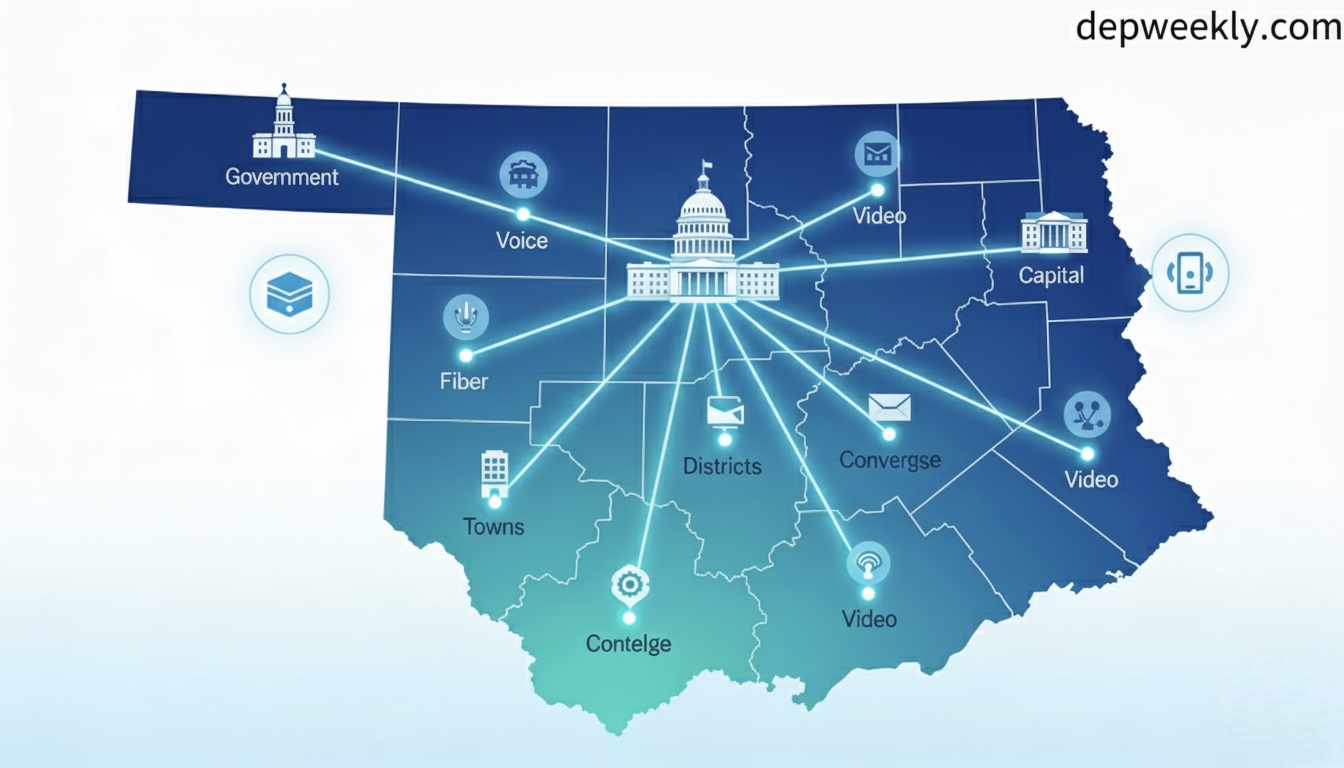
Most implementations follow a tiered structure with points of presence (PoPs) at different levels—typically the state capital, each district headquarters, and then sub‑district or block locations. Each PoP aggregates local traffic and forwards it up or down the hierarchy, allowing voice, video, and data to traverse the state efficiently. Because this backbone is centrally designed, performance and security are easier to standardize, and common services such as email, video conferencing, and shared applications can be offered uniformly.
Key Objectives and Benefits of SWAN
The primary objective of a state wide area network is to improve the way government offices communicate and collaborate. Instead of each department procuring its own connectivity, SWAN provides a common platform that all can share, which reduces fragmentation and duplication. This shared infrastructure supports faster file movement, coordinated decision‑making, and consistent access to applications across urban and rural offices. Over time, it can dramatically cut the delays historically associated with paper‑based processes and disconnected systems.
Another major goal is cost efficiency. When connectivity is procured and managed centrally, states can negotiate better long‑term contracts with service providers and simplify maintenance. Operating a single backbone is typically cheaper than maintaining dozens of small networks with different standards and vendors. Moreover, an integrated state wide area network provides a strong foundation for new digital initiatives—anything from telemedicine and distance learning to integrated financial management and digital land records—without redesigning connectivity each time.
Core Features of a State Wide Area Network
Most state wide area networks share a few technical and functional features, even if their exact topology or vendor mix differs. At the technical level, they usually support high‑speed links between major locations, often starting in the tens of megabits per second and scaling up to gigabit capacities as traffic grows. These links carry converged services, meaning the same connection supports voice calls, video conferencing, and data transfer. This convergence reduces hardware duplication and simplifies troubleshooting.
Security is another defining feature. Because government data often includes citizen records, financial transactions, and confidential communications, SWAN designs typically include firewalls, intrusion detection systems, and strict access policies at key PoPs. Logical separation—such as virtual private networks for specific departments—can be layered on top of the common backbone. The architecture is also built to be scalable, so new districts, blocks, or specialized agencies can be added with minimal disruption as administrative boundaries evolve or services expand.
Typical SWAN Architecture and Layers
Understanding state wide area network architecture is easier if you picture it in layers. At the top sits the state headquarters, which often hosts the central network operations center, core routers, and high‑bandwidth connections to national networks or the public internet where appropriate. This is the control and aggregation hub, where overall policies, monitoring, and traffic management are applied. Core equipment here is usually designed with high redundancy so that failure of a single device does not bring the network down.
Below this core layer is the distribution layer, usually at district headquarters. Each district PoP aggregates traffic from blocks and local offices within that district and provides local breakout when necessary—for example, to connect to local data centers or district‑level applications. Finally, the access layer serves block offices and, in some designs, individual offices and service centers. In remote regions, these access links may use a mix of technologies—fiber where available, radio or satellite when terrain or budgets constrain physical build‑out—yet all appear as part of the same logical state wide area network.
State Wide Area Network vs General WAN
At first glance, a state wide area network may look like any other wide area network, but there are important differences in purpose and governance. A general wide area network is simply a network connecting geographically dispersed locations; it might belong to a private company, a service provider, or an educational consortium. Its design is usually driven by business needs such as branch connectivity or access to cloud services, with flexibility to mix many types of traffic and clients. By contrast, SWAN is tightly focused on public sector administration and service delivery.
Another distinction lies in policy and control. SWAN usually operates under formal government schemes or programs, with clear service level targets, funding structures, and oversight mechanisms. Its performance and security are subject to public accountability because disruptions can affect critical services like health, policing, revenue collection, and welfare distribution. A typical corporate WAN might prioritize specific applications important to the business, while a state wide area network must balance the needs of many independent departments, each with its own legacy systems and priorities.
Comparison of SWAN and Typical WAN
| Aspect | State wide area network | General wide area network |
|---|---|---|
| Primary owner | Government entity | Enterprise or provider |
| Main purpose | Governance and services | Business or commercial |
| User group | Closed government users | Employees/customers |
| Accountability | Public and policy‑driven | Internal or contractual |
Governance, Policy, and Institutional Model
Because a state wide area network spans many departments and tiers of administration, strong governance and institutional arrangements are essential. Many states create dedicated agencies or special purpose vehicles to plan, procure, and operate SWAN. These entities clarify roles such as who pays for bandwidth, who owns equipment, and who responds to outages at various levels. Without such clarity, departments may under‑utilize the network or duplicate investments, undermining the original vision of a common backbone.
Policy decisions also shape how quickly SWAN yields benefits. For example, the choice between centralized versus departmental budgets for bandwidth can influence whether offices feel encouraged to consume more digital services. Clear rules for connecting new sites, approving applications, and sharing infrastructure with other public sector bodies—like schools or hospitals—help avoid bottlenecks. When these frameworks are set up well, the state wide area network becomes more than a technical project; it becomes a platform for sustained administrative reform.
Technologies Used in State Wide Area Networks
Though each implementation differs, several common technologies appear repeatedly in state wide area networks. At the physical layer, fiber optic cables often form the backbone between state and district headquarters due to their high capacity and reliability. In hilly or remote areas, microwave radio links or satellite connectivity can bridge gaps where fiber is impractical or too expensive. These transport choices are usually blended, with dynamic routing ensuring continuity when one link fails.
At higher layers, routers and switches implement protocols that manage how traffic is forwarded and prioritized. Quality of service is often configured to ensure time‑sensitive applications like voice or video conferencing receive appropriate bandwidth when links are congested. Virtual private network technologies may isolate departmental traffic, and centralized authentication systems can enforce user‑level access controls. Collectively, these technologies make the state wide area network behave as one cohesive system, even when it relies on multiple carriers or media types underneath.
Real‑World Use Cases and Citizen Impact
The value of a state wide area network becomes tangible when looking at real services citizens use every day. Consider digital land records: when all tehsil or block offices are connected through a common backbone, updates made in one office can be reflected across the state in near real time. Citizens can obtain accurate land extracts without waiting for physical files to move from one location to another. Similarly, when treasury offices and finance departments share a unified network, government payments and receipts can be processed more quickly and tracked more transparently.
Another powerful use case is real‑time coordination during disasters. A state wide area network allows the control room at the state headquarters to interact instantly with district collectors, local police, and relief teams through video conferences and shared dashboards. Because all these offices already sit on the same infrastructure, there’s no scramble to set up temporary links when a crisis hits. This improves situational awareness, speeds up decision‑making, and can ultimately save lives and property.
Designing a State Wide Area Network: Key Considerations
Designing a robust state wide area network requires balancing technical ideals with on‑the‑ground realities. One important consideration is coverage: how many locations will be connected at each tier, and what growth is expected over the next decade? Planners must account not only for current government offices but also for likely future expansions, reorganizations, and newly created agencies. This forward‑looking approach prevents the backbone from becoming obsolete or overloaded too quickly.
Another major factor is resilience. Critical links between the state headquarters and districts should have redundant paths so that fiber cuts or equipment failures don’t isolate entire regions. Power backup at PoPs, standby equipment, and clearly documented failover procedures all contribute to higher availability. Meanwhile, performance planning—estimating traffic for data‑intensive applications like video or large document uploads—ensures that bandwidth provisioning is adequate and upgrades can be scheduled before congestion becomes a serious problem.
Performance, Reliability, and Service Levels
Performance and reliability are not just technical parameters in a state wide area network; they directly influence public trust in digital government. When online services fail frequently due to connectivity issues, citizens and officials alike revert to manual processes, undercutting years of investment. To avoid this, states often define service level targets such as minimum uptime, maximum response time for troubleshooting, and escalation procedures for major incidents. These targets guide both internal network teams and external service providers.
Monitoring tools play a central role in maintaining these service levels. Centralized dashboards can show link utilization, error rates, and outage histories for each PoP, allowing operators to detect problems before users experience severe degradation. Automated alerts can trigger immediate responses when critical thresholds are crossed. Over time, analysis of this monitoring data helps fine‑tune capacity, identify chronically problematic routes, and support budget requests for necessary upgrades.
Security and Data Protection in SWAN
Security within a state wide area network is about more than protecting the network perimeter; it also involves safeguarding internal traffic and access. Because multiple departments share the same backbone, segmentation is crucial to prevent one compromised system from affecting others. Network segmentation can be achieved through virtual networks, dedicated subnets, and carefully configured access control lists that limit which systems can talk to each other. This layered approach reduces the blast radius of potential attacks.
In addition to segmentation, strong authentication and encryption practices are essential. Administrators often require multi‑factor authentication for remote access to core systems, and sensitive data flows can be encrypted using modern protocols. Logging and audit trails help track who accessed what, and when, which supports investigations and compliance obligations. Regular security assessments, vulnerability scans, and simulation exercises help keep defenses updated against evolving threats while preserving the usability that government staff need to do their jobs.
Implementation Models and Public–Private Partnerships
Many states choose to implement their state wide area network through some form of public–private partnership. In such models, a private service provider may be responsible for building and operating network links, while the state retains control over policy, applications, and data. This arrangement can accelerate deployment by leveraging the provider’s technical expertise and existing infrastructure. It can also spread capital costs over the life of a long‑term service contract rather than requiring a large upfront investment.
However, these partnerships require careful contracting. Service agreements must spell out performance metrics, penalties for non‑compliance, and clear exit or transition plans if the contract ends. Intellectual property rights for network designs, configurations, and management tools also need definition so that the state is not locked into a single vendor. When these aspects are thoughtfully addressed, public–private models can make the state wide area network more sustainable and responsive to technological change.
Measuring Success and Continuous Improvement
Once a state wide area network is in place, the work is far from over. Measuring success means looking beyond uptime statistics to consider business outcomes: Are file movement times significantly reduced? Are more services being offered online? Are citizens and businesses experiencing faster, more predictable interactions with government offices? These indicators reveal whether the network is actually supporting the intended transformation in governance.
Continuous improvement then builds on this feedback. If specific districts face chronic issues, targeted projects can strengthen their last‑mile connectivity or local support. Training programs for officials can emphasize best practices in using video conferencing, document management, and collaborative tools that rely on the network. Periodic technology refreshes—such as upgrading routers or increasing bandwidth on critical routes—ensure that the state wide area network remains capable of handling new applications as digital governance matures.
State Wide Area Network in the Cloud Era
As more applications move into centralized data centers and cloud environments, the role of the state wide area network is evolving. Instead of merely connecting offices to each other, SWAN is increasingly responsible for providing controlled, high‑quality access to shared platforms that host multiple departmental applications. This shift often increases traffic flowing toward central hubs or cloud gateways, making bandwidth and latency even more critical. Proper design can reduce bottlenecks and ensure that remote offices experience responsive applications.
Moreover, new network technologies can complement traditional architectures. For instance, policy‑driven routing and centralized management tools make it easier to enforce consistent security and performance rules across a large state. In the long term, the state wide area network becomes a key enabler of a hybrid digital environment, where some systems live in state data centers, some in cloud platforms, and all remain accessible to authorized users through a predictable, well‑managed backbone.
Example Applications Enabled by SWAN
A well‑designed state wide area network unlocks a wide range of digital services that cut across sectors. In health, it supports teleconsultations between district hospitals and remote health centers, allowing specialists to guide local teams without physically traveling. Digital imaging and electronic medical records can be shared securely over the same network, improving continuity of care. In education, SWAN can carry interactive lessons from a central studio to classrooms across the state, enabling teachers and students in remote schools to access expert instruction.
People also like this: Olympus Scanlation and the Passion Behind Fan-Translated Manga
In law and order, integrated communication between police stations, control rooms, and forensic labs can improve response times and coordination during incidents. Digital evidence, alerts, and dispatch instructions can flow more quickly and reliably when the entire chain sits on the same backbone. Similarly, in agriculture, advisory messages, real‑time market information, and weather updates can be delivered to local offices that then communicate with farmers through local channels, making the state wide area network an invisible but important part of rural outreach.
Sample SWAN Feature Overview Table
| Feature category | Typical state wide area network capability |
|---|---|
| Connectivity scope | State HQ to districts, blocks, and local offices |
| Service types | Data, voice, video on converged links |
| Security mechanisms | Segmentation, firewalls, controlled access |
| Management approach | Central monitoring with defined service levels |
Conclusion
A state wide area network is much more than a collection of circuits and routers; it is the digital backbone that lets a state function as a connected, responsive system. When designed well, it links distant offices into a single fabric, cutting delays, simplifying communication, and enabling new kinds of citizen‑facing services. It turns once‑isolated departments into collaborators, and it gives administrators real‑time visibility they could never have with paper‑based processes.
To get the most from a state wide area network, governments must treat it as strategic infrastructure, not just a technical project. That means clear governance, strong security, realistic funding, and continuous performance tuning. For citizens and businesses, the payoff shows up in shorter queues, faster approvals, and more reliable services. For public officials, it offers better tools, clearer information, and a modern working environment. Together, these benefits make investing in a robust state wide area network one of the most impactful steps a state can take on its digital journey.
Frequently Asked Questions (FAQs)
1. What is a state wide area network in simple terms?
A state wide area network is a large communication system that connects government offices across an entire state. It lets them share voice, video, and data quickly and securely using a common backbone.
2. How is a state wide area network different from a normal WAN?
A normal WAN can belong to any organization and serve many purposes, from business operations to customer services. A state wide area network is specifically built for government agencies and public services, with policies and accountability aligned to governance needs.
3. Why do governments invest in state wide area networks?
Governments invest in state wide area networks to reduce duplication, improve coordination, and support digital services. The shared infrastructure helps cut costs, speed up decisions, and deliver more reliable services to citizens.
4. What technologies are commonly used in state wide area networks?
State wide area networks often use fiber optic links, microwave radio, or satellite for connectivity between locations. They rely on routers, switches, and security devices to manage traffic, protect data, and keep services running smoothly.
5. How does a state wide area network benefit citizens directly?
Citizens benefit when services like land records, health programs, or online certificates work faster and more reliably because offices are well connected. Better communication between departments leads to fewer delays, clearer information, and more convenient access to public services.
You May Also Read: Depweekly