What Is Augmented Reality?
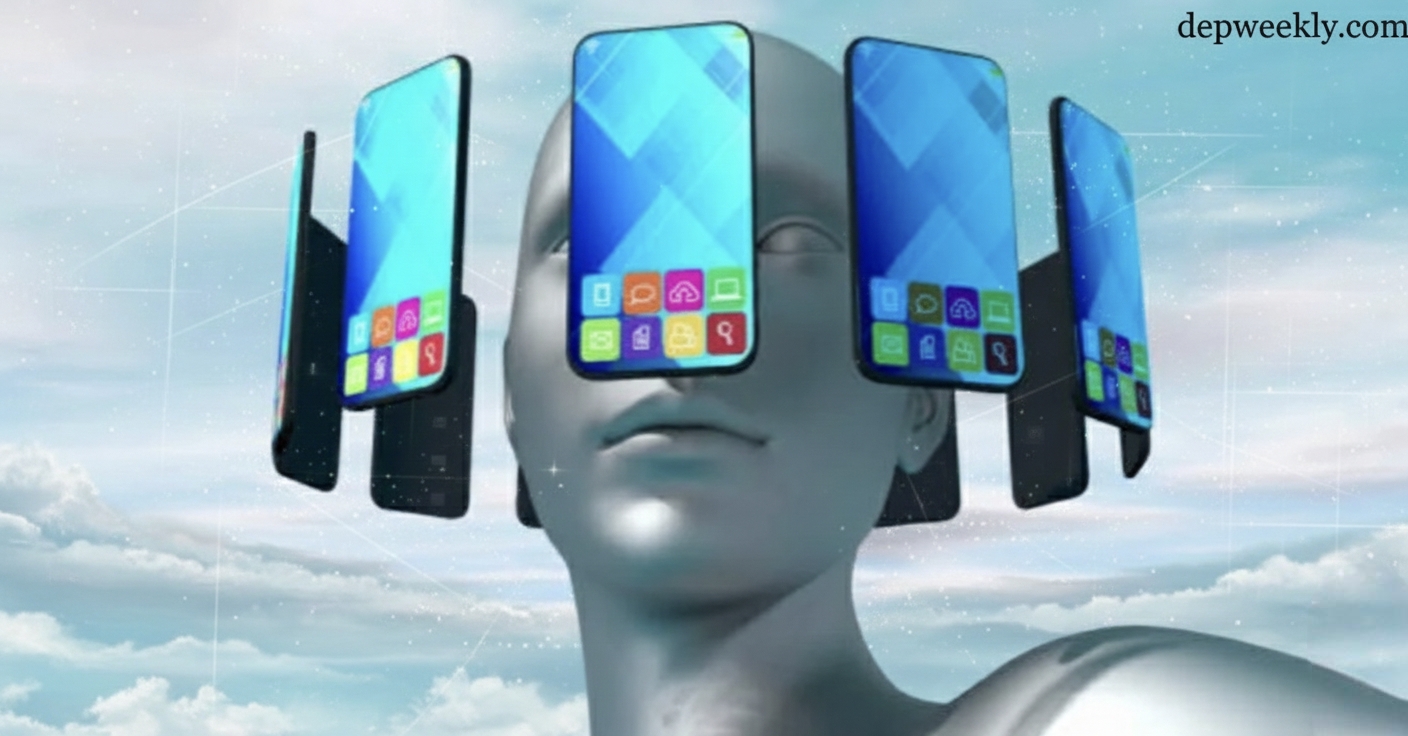
Augmented reality (AR) is a technology that overlays digital information—such as images, 3D models, or text—onto the real-world environment in real time. Instead of replacing reality like virtual reality (VR), AR enhances what users already see by adding computer-generated content through smartphones, tablets, smart glasses, or headsets. This blended experience allows users to interact with both physical surroundings and virtual elements at the same time, making everyday spaces more informative, interactive, and engaging for learning, work, and entertainment.
The Idea Behind Ark Augmented Reality
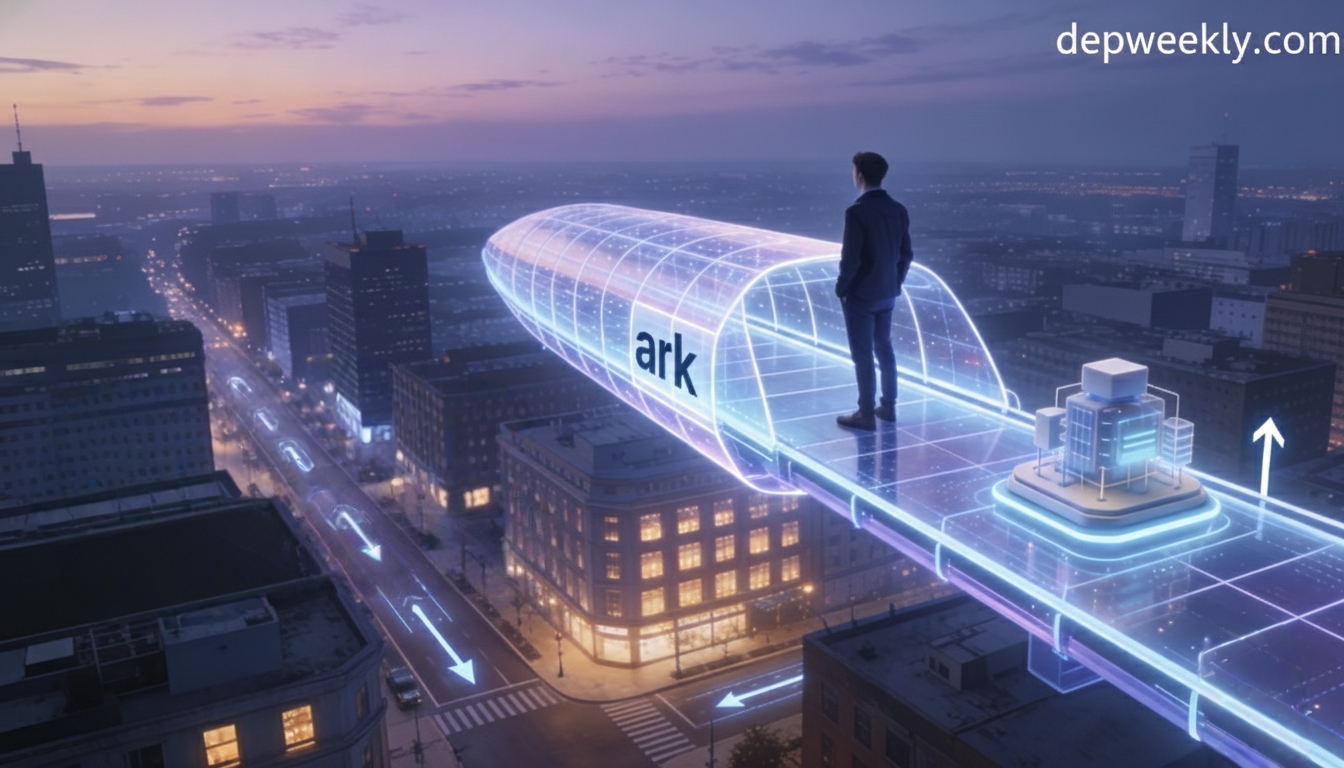
Ark augmented reality can be understood as a conceptual “bridge” or “ark” that carries users from a purely physical world into a richer hybrid world where digital layers sit naturally on top of real objects and places. The core goal is to make AR experiences so seamless and context-aware that they feel like a natural extension of human perception rather than a separate digital layer. In practice, this vision means combining advanced sensors, precise tracking, 3D mapping, and intelligent software so that digital content stays accurately “anchored” to the real world, even as users move and interact.
Will You Check This Article: Shani Levni: Visionary Artist And Cultural Storyteller
A Brief History of AR Technology
The foundations of augmented reality go back to early heads-up displays (HUDs) used in military aviation in the 1950s, which projected flight data into pilots’ line of sight so they could keep their “heads up.” In 1968, computer scientist Ivan Sutherland created the first head-mounted display system, often called “The Sword of Damocles,” which overlaid simple computer graphics onto the user’s view and is widely seen as a key milestone in AR. Over subsequent decades, researchers experimented with interactive environments, wearable displays, and industrial HUDs, gradually turning AR from a science-fiction concept into a practical technology used in aviation, manufacturing, and medicine.
How Augmented Reality Works
Augmented reality systems rely on a combination of hardware and software to understand the environment and place digital content in the right position. Modern AR devices use cameras, motion sensors, depth sensors, and sometimes GPS to capture the user’s surroundings and track their orientation and movement. Software then performs tasks like computer vision, object recognition, and spatial mapping, allowing 3D models, labels, or instructions to be rendered in real time and anchored to specific surfaces, objects, or locations so that they appear stable and believable.
Key Components of Ark AR Experiences
To deliver a smooth ark augmented reality experience, several core components must work together. First is environmental understanding: the system needs to detect planes, edges, and depth so it can place virtual objects realistically on tables, floors, or walls. Second is tracking and registration, which ensures that digital elements stay aligned with the real world when users walk, turn, or interact, avoiding jitter and drift that would break immersion. Finally, rendering and interaction layers handle the visual quality of 3D content and support user actions such as tapping, gesturing, or using voice to manipulate virtual elements.
AR vs. Virtual Reality vs. Mixed Reality
AR, VR, and mixed reality (MR) are often groupe together, but they change user perception in different ways. Virtual reality places users inside a fully digital environment, blocking out the physical world and replacing it with a simulated 3D space viewed through headsets. Augmented reality, by contrast, keeps the real world visible and adds digital layers on top, while mixed reality blends the two more deeply, allowing virtual objects to interact with physical surfaces in complex ways, such as bouncing off real tables or hiding behind real furniture. Ark augmented reality usually leans toward this mixed reality style, aiming for believable, context-aware integration of digital objects into physical spaces.
Everyday Uses of Augmented Reality
AR has moved far beyond experimental labs and is now part of everyday experiences in multiple industries. In retail, AR apps let customers visualize furniture in their living rooms, try on virtual clothes, or preview products at home using only a smartphone. In navigation, AR can overlay directions, labels, and points of interest directly on the camera view of streets or indoor spaces, making it easier to find buildings, stores, or specific rooms in complex environments. For social media and entertainment, filters and lenses that add virtual masks, effects, and objects to faces and surroundings have made AR familiar to millions of users.
Education and Training with AR
Education and training are among the most promising areas for ark augmented reality because AR can turn any classroom, workshop, or field site into an interactive learning space. Studies and implementations show that AR can overlay 3D models, diagrams, and step-by-step instructions on real objects, helping learners grasp complex topics like anatomy, engineering, or machine maintenance. For example, AR headsets can guide technicians through repair procedures by showing which component to touch next, or allow medical students to explore 3D organs layered on real mannequins, improving engagement and retention compared with static textbooks.
AR in Healthcare and Medicine
In healthcare, augmented reality imbeing used to assist surgeons, train students, and support patient care in new ways. Some AR systems let surgeons project imaging data like X-rays or CT scans directly onto the patient’s body, helping them see critical structures beneath the skin while operating. AR also supports remote collaboration, allowing specialists to “see what the local clinician sees” through smart glasses and annotate the view with arrows, notes, and highlights, which can improve decision-making and reduce errors in complex procedures.
AR in Manufacturing and Industry 4.0
Manufacturing and industrial environments are major focus areas for ark augmented reality because the technology helps boost productivity, accuracy, and safety. AR can overlay work instructions, part identifiers, and quality checklists in workers’ field of view, reducing the need to look away at manuals and cutting down on errors. In Industry 4.0 settings, AR-enabled smart glasses and headsets allow operators to visualize sensor data, machine status, and predictive maintenance alerts directly on the equipment they are inspecting, effectively merging human insight with real-time data from IoT systems.
AR in Architecture, Design, and Construction
Architecture, construction, and design professionals use augmented reality to preview projects before they are built and to coordinate work on site. AR tools can convert 2D plans into 3D models that appear at full scale in real spaces, allowing architects and clients to “walk through” proposed buildings and adjust layouts or materials early in the process. On construction sites, AR can overlay digital blueprints onto physical structures, helping teams compare planned and actual installations, catch mistakes quickly, and improve coordination among trades.
AR in Commerce, Marketing, and Customer Experience
From e-commerce to in-store experiences, AR is reshaping how customers discover and evaluate products. Virtual try-on tools for clothing, eyewear, and cosmetics help shoppers see how items look on them without physically trying them, increasing confidence and reducing returns. Physical retailers can also use AR to create interactive displays, gamified promotions, or product information layers that appear when users scan shelves or packaging with their phones, turning traditional shopping into a more personalized and immersive journey.
Social, Cultural, and Creative Uses of AR
Augmented reality is increasingly use as a creative medium for artists, cultural institutions, and storytellers. Museums and historical sites deploy AR guides that reveal reconstructions, hidden stories, and contextual annotations when visitors point their devices at exhibits or landmarks, enriching the cultural experience. Artists use AR to create location-based installations, interactive murals, and digital sculptures that appear only through devices, blurring the boundaries between physical and digital art and encouraging new forms of participation and expression.
Challenges and Limitations of AR Today
Despite rapid progress, augmented reality still faces technical and practical challenges. Achieving accurate tracking and alignment in changing lighting conditions or crowded environments can be difficult, sometimes causing digital objects to jitter or misalign. Hardware constraints such as limited field of view, battery life, device weight, and comfort also affect user experience, especially for head-mounted displays, while privacy concerns arise when AR devices continuously capture video and spatial data from public and private spaces.
The Future of Ark Augmented Reality
The future of ark augmented reality points toward lighter, more powerful devices and smarter software that deeply understands context, intent, and environment. Industry roadmaps suggest that upcoming AR glasses will offer higher-resolution displays, better hand and eye tracking, and more natural interaction methods, making long-term use more comfortable and intuitive. As 5G, edge computing, and AI models mature, AR experiences will be able to stream complex 3D content and real-time analytics from the cloud, enabling persistent shared worlds, collaborative workspaces, and large-scale city overlays that blur the line between the digital and the physical.
People also like this: 5StarsStocks.com Stocks: Smart AI Stock Picks Guide
Ethical and Social Considerations
As AR becomes more widespread, ethical and social questions become central to the design of ark augmented reality platforms. Constant visual overlays may change how people pay attention to their surroundings, raising concerns about distraction, manipulation through targeted digital content, and the mental load of continuous notifications. Data collected by AR devices—such as spatial maps of homes, workplaces, and public areas—must be protected to prevent misuse, while designers and regulators need to address issues like consent, digital vandalism, and fair access to AR-enhanced services.
Conclusion
Ark augmented reality represents a powerful evolution of augmented reality, turning the everyday world into a layered space where digital content and physical environments coexist seamlessly. From education, healthcare, and manufacturing to retail, culture, and entertainment, AR is already transforming how people learn, work, and experience information by integrating virtual elements directly into their field of view. As hardware improves and software becomes more intelligent, the most successful AR systems will be those that prioritize human needs—clarity, safety, privacy, and usefulness—so that the technology feels like a natural extension of perception rather than a distraction, truly acting as an “ark” that carries users into the next era of immersive, context-aware computing.
FAQs
What augmented reality in simple words?
Augmented reality is a technology that adds digital elements like images, text, or 3D objects on top of what you see in the real world, usually through a phone, tablet, or smart glasses. You still see your actual surroundings, but they are enhanced with extra information or interactive content instead of being replaced by a fully virtual environment.
How is AR different from VR?
AR keeps the real world visible and overlays digital content onto it, so users interact with both physical and virtual elements at the same time. Virtual reality, on the other hand, puts users inside a completely digital environment viewed through a headset, blocking out their real surroundings entirely.
Where is augmented reality us today?
AR used in many areas, including retail for virtual try-ons, navigation for overlaying directions, and social apps for filters and lenses. It also widely applied in education, healthcare, manufacturing, architecture, and field service to provide interactive instructions, visualizations, and real-time data in context.
What are the main benefits of augmented reality?
The main benefits include more intuitive access to information, improved learning and training outcomes, and better decision-making thanks to data displayed directly in context. AR can also increase productivity and reduce errors in industrial and professional settings by providing step-by-step guidance and visual cues in workers’ field of view.
What problems or risks does AR create?
Challenges include technical issues like tracking errors and limited hardware capabilities, which can affect comfort and realism, especially in headsets. There are also privacy, safety, and ethical concerns because AR devices continuously capture and analyze surroundings, potentially exposing sensitive spaces and influencing attention and behavior in public and private environments.
You May Also Read: Depweekly