Introduction
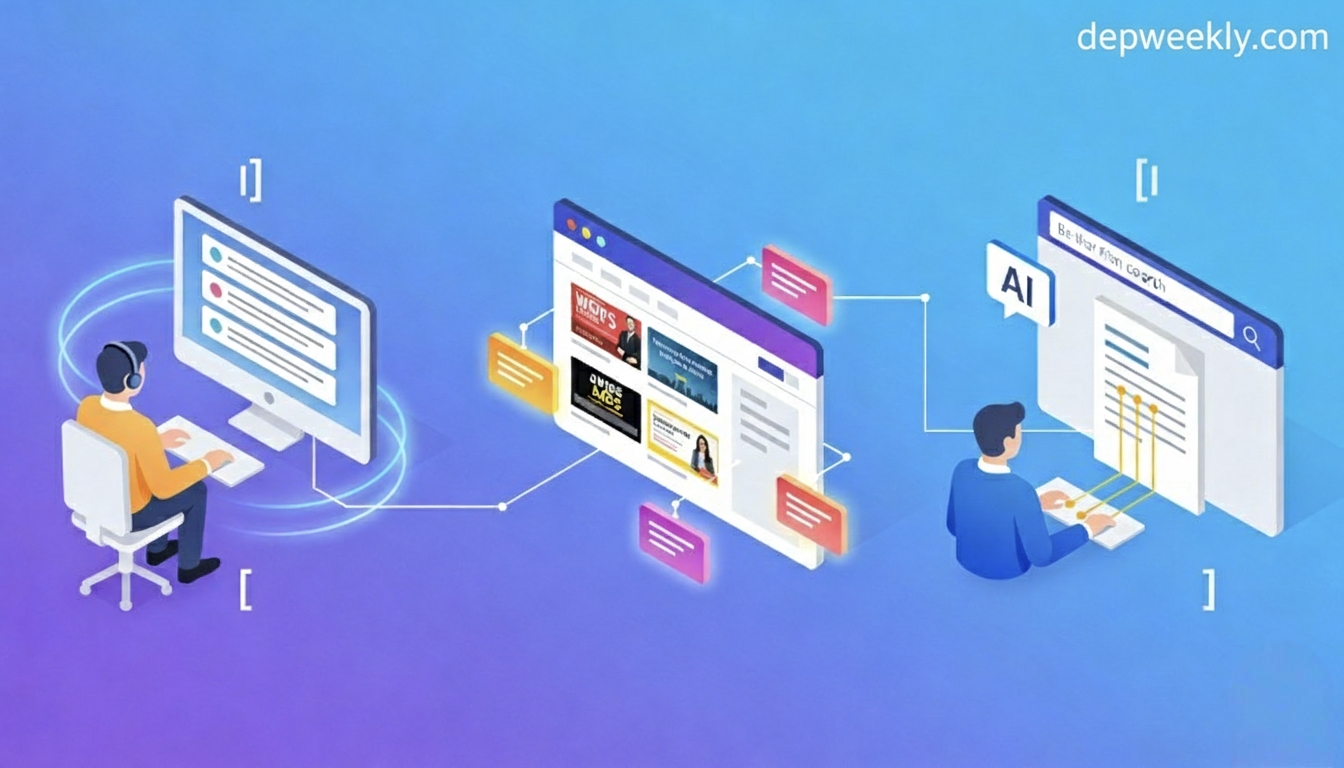
Context match is the invisible bridge that connects a piece of information to its surrounding environment so that it truly makes sense. When a phrase, ad, or data point appears in the right context, people understand it faster, trust it more, and act with greater confidence. In simple terms, context match describes how well something fits with what comes before, after, and around it, whether that’s a sentence in a document, an ad on a webpage, or a result in an AI system. This article explores context match in translation, advertising, and AI so readers can understand why it matters and how to use it effectively.
What Is Context Match?
Context match refers to a situation where content is not only identical or relevant in itself, but also matches the environment in which it appears. Instead of looking at a sentence, ad, or data record in isolation, context match checks neighboring elements, structure, topic, and intent. That means systems that use context match aim to reduce confusion and increase accuracy by considering more than just the raw text or label.
Will You Check This Article: Charfen.co.uk: Your Complete Guide to a Powerful Growth Platform
In different fields, context match takes slightly different forms but follows the same core idea. Translation tools use it to ensure repeated segments are translated the same way when they appear in the same structural and textual surroundings. Advertising platforms rely on contextual matching to align ad messages with the content a user is currently consuming. In AI, contextual retrieval and contextual matching are used to find results that truly match the user’s intent rather than just matching keywords.
Quick View: Where Context Match Is Used
| Area | How context match is used | Example use case |
|---|---|---|
| Translation tools | Match segments plus neighbors for safer reuse | Legal contracts, manuals with repeated sections |
| Advertising | Match ads to page topics and sentiment | Car ad on a car review article |
| AI & retrieval | Match queries with context-aware results | Legal or medical document search |
| CRM & calls | Match calls to in-context records | Linking a call to the open customer case |
| Entity screening | Match entities using contextual attributes | Reducing false positives in sanctions screening |
Context Match in Translation Tools
How Translation Memory Uses Context Match
In computer-assisted translation (CAT) tools, context match is an enhanced form of exact match in translation memories. A normal 100% match means a segment of source text is identical to one stored in the translation memory, but it doesn’t check what comes before or after. A context match goes further by verifying that neighboring segments or structural markers also match, providing more confidence that the translation is still correct in this new location.
Many systems treat context match as a 101% or higher-quality match because it includes the same sentence and the same context. Some tools even distinguish between different levels, such as 101% when one neighbor matches and 102% when both the preceding and following segments match. This extra detail helps translators see which repeated segments can be reused almost safely and which still require close review.
Why Translators Value Context Match
Context match reduces the risk of reusing a translation that no longer fits the surrounding text. In fields like legal or technical documentation, repeated clauses may appear many times, but their meaning can shift if context changes slightly. By checking structure and neighbors, the system ensures that a clause reused from the translation memory really belongs in that exact place, which improves consistency and reduces editing time.
For example, a segment like “Run” may need different translations depending on whether it appears in a software manual or a fitness article. When the preceding segment reads “Start the program to,” the context match tells the translator this is about software, not exercise, so the previously approved translation for that scenario can be applied safely. Over time, this approach builds a more reliable translation memory that reflects not just repeated text, but repeated context.
Context Match in Digital Advertising
What Contextual Matching Means for Ads
In digital advertising, context match is often called contextual advertising or contextual targeting. Instead of following users around with behavioral profiles, contextual systems analyze the content of a webpage or media and then choose ads that fit that environment. An ad for wedding dresses, for example, might appear next to an article about wedding planning, because the topic and intent are aligned.
Modern platforms use advanced content analysis to understand not only obvious keywords but also themes, sentiment, and visual cues in the content. This deeper contextual matching helps avoid awkward or inappropriate ad placements, such as a cheerful travel ad next to negative news about a disaster. It also supports privacy-friendly advertising because matching relies on current page context rather than personal tracking data.
Benefits of Context Match for Brands and Users
Context match in advertising tends to improve relevance and engagement. When an ad reflects what a user is reading or watching in that moment, it feels more natural and helpful than intrusive. Case studies of contextual strategies show higher engagement, better conversion rates, and improved return on ad spend compared to campaigns that rely purely on audience-based targeting.
Another benefit is brand safety. Contextual systems allow brands to include or exclude categories and themes so their ads don’t appear alongside content that clashes with their values. At the same time, AI-driven contextual intelligence can discover adjacent topics that perform unexpectedly well, such as placing car ads not only on car review pages but also on related lifestyle or travel content that signals similar intent.
Context Match in AI and Information Retrieval
Contextual Retrieval and Matching
In AI applications, context match appears in the form of contextual retrieval or contextual search. Instead of returning results that simply share words with a query, these systems embed both queries and documents in a space that captures relationships, topics, and surrounding information. This allows the system to surface content that truly matches the user’s intent in complex domains where precision is critical.
For instance, a legal research tool can use context-aware retrieval to match a query with cases that align not only by terms but also by legal domain and precedent patterns. A similar approach in healthcare can match patient information and medical documents in a way that reflects diagnosis context, treatment stage, and related conditions. In both situations, context match helps professionals find exactly what they need faster and with more confidence.
Entity and Call Matching with Context
Context match also plays a role in systems that connect events or records to the right entities. In customer service environments, contextual matching can link an incoming call to the customer record or open case currently in view, so notes and tasks automatically attach to the right account. This reduces manual searching and prevents fragmented histories across different records.
In compliance and sanctions screening, contextual AI uses multiple attributes—such as addresses, historical decisions, and related entities—to match or separate records more intelligently. Instead of relying only on name similarity, the system weighs context like company type or past alerts to reduce false positives. Over time, this form of context match learns from investigators’ decisions and tailors its behavior to real-world judgment.
Context Match Levels in Translation: A Reference Table
| Match type | Description | Typical score |
|---|---|---|
| Exact match | Source segment identical, context may differ | 100% |
| Context match | Segment plus neighbor or structure match | 101% |
| Double-context | Segment plus both neighbors match | 102% |
Practical Examples of Context Match
Document Translation Example
Imagine a company updating a software manual across several versions. Many instructions repeat word for word, but some appear in slightly different menus or workflows. With context match, the translator can safely reuse previously approved translations where the surrounding menu names and headings also match, saving time and guaranteeing consistent wording.
However, where the same sentence appears under a new heading or after a different step, the system may only show a 100% match without context. That signals a need for careful review or adaptation, so the new translation fits the updated sequence of actions. In this way, context match protects quality while still leveraging repetition.
Advertising Campaign Example
Consider an automotive brand launching a campaign for test drive bookings. Instead of targeting users based on past browsing profiles, the brand uses contextual intelligence to place ads on content about road trips, family travel, and car safety guides. These placements reflect moments when people are already thinking about driving experiences, which increases the relevance of the message.
Performance data shows that such contextually matched campaigns can deliver higher engagement and better conversion rates than audience-only strategies. The brand also benefits from enhanced privacy compliance because it does not depend on tracking individual behavior across sites. Here, context match becomes both a performance tool and a trust-building approach.
Why Context Match Matters Across Domains
Improved Accuracy and Consistency
Across translation, advertising, and AI, context match significantly improves accuracy. By analyzing neighboring segments, page content, or associated attributes, systems make decisions that more closely resemble human judgment. This leads to fewer misunderstandings, fewer irrelevant results, and more consistent outcomes in tasks like translation reuse, ad placement, or entity matching.
Consistency is especially important in environments with repeated patterns. Translation memories with context match keep legal or technical terminology aligned across entire document families. Similarly, contextual ad strategies maintain an aligned brand presence by appearing only in environments that fit the brand’s tone and goals.
Better User and Customer Experience
Context match also enhances the experience for end users, customers, and professionals. Readers of translated content encounter fewer jarring shifts in terminology because repeated segments are reused appropriately. Users browsing content see ads that feel relevant rather than random, which can reduce ad fatigue and irritation.
For knowledge workers, context-aware retrieval and matching reduce time spent filtering through irrelevant results. A legal or medical professional gains faster access to high-precision information that reflects the full context of a case or patient. Contact center agents benefit from calls automatically linked to the right records, allowing them to focus on resolving issues instead of searching systems.
How to Think About Context Match in Your Own Work
Questions to Ask When Evaluating Context
Anyone working with information, communication, or digital systems can benefit from thinking in terms of context match. A helpful starting point is to ask what surrounds the element being matched and how that affects its meaning. For example, when reusing content, it’s worth checking whether the preceding and following sections create the same expectations or if the audience, medium, or purpose has shifted.
When designing or choosing tools, it helps to understand which types of context they consider. Some systems primarily look at text neighbors, while others include structural markers, sentiment, or historical decisions. The richer the context, the better the chances of accurate matching—but also the greater the need for careful configuration and monitoring.
Simple Analogy for Everyday Understanding
Context match can be compared to recognizing a familiar sentence in two different conversations. If a friend says “Let’s run,” the meaning changes depending on whether you’re standing near a computer, a track, or a late train. Systems without context match treat “run” the same everywhere, but context-aware systems “look around” and interpret it appropriately.
People also like this: Classroom 15x: Future-Ready Learning Spaces That Actually Work
This analogy holds in documents, ads, and AI results. By seeing not just the word or segment but also the environment, context match helps systems act more like attentive humans and less like literal machines.
Conclusion
Context match is a powerful concept that underpins reliable translation, relevant advertising, and intelligent AI retrieval. In translation tools, context match goes beyond exact text to check neighbors and structure, delivering safer reuse and consistent output. In advertising, contextual matching aligns messages with page content, improving engagement, brand safety, and privacy alignment.In AI and enterprise systems, context-aware matching improves precision in search, entity resolution, and call handling.
Understanding context match helps teams design workflows and choose tools that reflect how meaning actually works in real life. Whether managing documentation, planning campaigns, or building AI applications, paying close attention to context can reduce errors, build trust, and improve performance. When information fits its surroundings, communication becomes clearer, decisions become stronger, and digital experiences feel more natural and human.
Frequently Asked Questions (FAQs)
1. What does context match mean in translation?
Context match in translation means a segment from the translation memory matches the new segment and also appears in the same surrounding context or structure. It’s treated as more reliable than a simple exact match because the neighbors and layout are aligned.
2. How is context match used in advertising?
In advertising, context match refers to placing ads based on the content and theme of a page rather than individual user profiles. This approach improves relevance, respects privacy, and can increase engagement and return on ad spend.
3. Why is context match important in AI search?
Context match in AI search helps systems return results that reflect user intent, not just matching words. By embedding context into queries and documents, it supports high-precision use cases like legal, financial, and healthcare retrieval.
4. What’s the difference between 100% match and context match?
A 100% match means the source segment is identical, but the context may differ. A context match verifies that neighbors or structural identifiers also match, which often earns it a score like 101% or 102% to signal higher reliability.
5. Can context match reduce errors in compliance screening?
Yes, contextual matching can reduce false positives in sanctions and compliance screening by using additional attributes like address, company type, and historical decisions. This creates smarter entity matching that better reflects human investigator judgment.
You May Also Read: Depweekly